Strategies To Maximize Snap Benefits
Understanding the Basics of SNAP Benefits
The Supplemental Nutrition Assistance Program (SNAP) is a federal aid initiative designed to provide financial assistance for purchasing food. It aims to support low-income families and individuals by enabling access to nutritious food. To be eligible, applicants must meet specific income and resource requirements. SNAP benefits are dispensed monthly via an Electronic Benefits Transfer (EBT) card, which functions like a debit card. Understanding how to utilize this financial support efficiently is crucial for beneficiaries. It’s pivotal to know which food items are covered and the shopping strategies that can stretch benefits further. While SNAP provides a safety net, it’s not intended to cover all food expenses, urging recipients to manage resources wisely and seek additional assistance if necessary.
Eligibility Criteria and Application Process
To qualify for SNAP benefits, applicants must meet certain criteria, including income thresholds and resource limits. Households must demonstrate that their combined gross monthly income is at or below 130% of the federal poverty level. Additionally, net income, after allowable deductions, must be at or below the poverty line. Resources such as bank accounts should generally not exceed $2,500, with higher limits for households with elderly or disabled members. The application process involves completing a form online, by mail, or in-person at local SNAP offices. Documentation proving income, expenses, and identity is required. Interviews with SNAP representatives are also part of the process to ensure eligibility. Understanding the criteria and requirements can facilitate timely application and approval, helping families to access support without undue delays.
Effective Budgeting with SNAP Funds
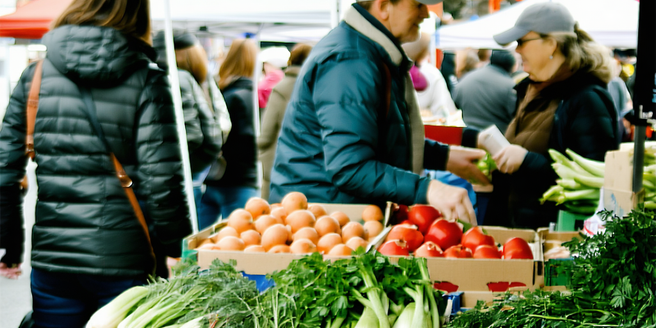
Managing SNAP funds requires strategic budgeting to ensure that benefits last through the month. Start with planning meals that are nutritious yet economical. Use weekly sales flyers to identify discounts and prioritize purchasing staple items in bulk, such as rice, beans, and pasta, which can form the foundation of many meals. Additionally, consider visiting farmer’s markets where SNAP benefits often receive an extra incentive through matching programs. Maintaining a grocery list can minimize impulse buying and helps you stick to essentials. It is also beneficial to revisit food inventory regularly to prevent overbuying perishable goods, which can result in waste. By focusing on meal planning, taking advantage of discounts, and disciplined shopping, recipients can stretch their SNAP dollars further while maintaining a healthy diet.
Maximizing Nutrition with SNAP Purchases
One of the keys to maximizing the nutritional value of SNAP purchases is understanding food labels and making informed choices. Start by prioritizing whole, unprocessed foods like fruits, vegetables, and whole grains. These items often provide more nutrients per dollar compared to processed foods. Consider buying frozen or canned produce as they are equally nutritious and often more affordable. Incorporate a variety of protein sources, including beans, lentils, and eggs, which can be cost-effective. Pay attention to portion sizes and strive for balance, ensuring each meal contains a mix of essential nutrients. Many grocery stores offer discounts or bonus points for SNAP users, making healthy options more accessible. Preparing meals at home, as opposed to buying pre-packaged foods, can also enhance dietary quality and make the most of SNAP funds.
Community Resources and Support for SNAP Users
Beyond individual efforts, SNAP recipients can benefit greatly from tapping into community resources. Local food banks and pantries offer supplemental food assistance, often providing fresh produce and dairy that may not always be affordable within a SNAP budget. Many communities host nutritional education workshops and cooking classes tailored for SNAP users, teaching how to prepare healthy meals on a budget. Additionally, outreach programs in schools and community centers provide guidance on optimizing benefits, managing coupons, and finding deals. Support networks, including online forums and local community groups, allow recipients to share tips and experiences. By connecting with available resources, SNAP participants can enhance their food security and overall well-being, making the most of their benefits while fostering community ties.
Long-term Financial Planning for SNAP Recipients
While SNAP benefits offer critical short-term relief, recipients can also focus on long-term financial stability. Creating a budget that includes savings, even small amounts, can gradually build a financial safety net. Households may consider accessing free financial counseling services available through community organizations to help with managing expenses and setting financial goals. Education and job training programs, often accessible for low-income individuals, can lead to employment opportunities that reduce dependency on assistance programs. Additionally, exploring other benefits and tax credits, like the Earned Income Tax Credit (EITC), can supplement income. Encouraging the entire household to participate in financial planning fosters a collaborative approach to achieving economic independence. By planning for the future, SNAP recipients can work towards financial self-sufficiency.