Urban Vs. Rural Housing Dynamics
Comparing Affordability: City Living vs. Countryside Dwellings
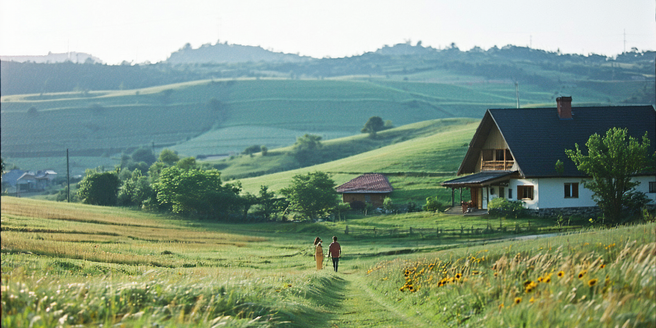
Urban living often comes with a hefty price tag as city spaces are premium, driving up housing costs significantly. High demand and limited supply in metropolitan areas lead to competitive pricing, making city apartments and homes sometimes unaffordable for average earners. In contrast, rural areas offer more affordability, drawing individuals looking for financial ease. Country dwellings, with their ample space and lower demand, usually present a viable option for home buyers and renters looking for larger properties at a fraction of city costs. However, while rural housing may be cheaper on the surface, potential homeowners should consider other factors like potential commuting costs and the availability of services, which might offset some of the affordability gained from lower housing prices in the countryside.
Space and Layout: Urban Apartments Compared to Rural Homes
Urban apartments are often characterized by efficient, compact layouts necessitated by limited space and the high cost of land. City dwellers become adept at maximizing their living areas, embracing minimalist living. Multi-functional furniture and innovative storage solutions become crucial in urban spaces, contrasting with the vast rural homes typically found outside urban centers. In rural settings, space is abundant, allowing for expansive homes with large yards and gardens. This abundance often permits more personalized, sprawling designs prioritizing comfort over compactness. Families in rural areas enjoy separate living, dining, and recreational areas, offering a more relaxed lifestyle. However, city dwellers benefit from easy access to urban amenities, which may compensate for the lack of living space and allow for a dynamic lifestyle amidst bustling surroundings.
Access to Amenities: Navigating City Comforts vs. Rural Serenity
Living in an urban area provides easy access to a plethora of amenities such as restaurants, cinemas, shopping centers, and public transportation systems, contributing to a vibrant lifestyle. The proximity of such conveniences makes urban living appealing for those who thrive on cultural diversity and immediate access to facilities. In contrast, rural areas usually offer fewer amenities, which can impact lifestyle but also promote a slower, more serene pace of life. Residents might need to travel greater distances for shopping and entertainment, impacting time and convenience. However, this distance from bustling urban centers allows rural inhabitants to enjoy cleaner air, natural surroundings, and a closer-knit community. Hence, while urban living provides easy access to services, countryside dwelling offers peace and an escape from quick-paced city life.
Community and Culture: Differences in Urban and Rural Social Life
Community life in urban areas can be fast-paced and diverse, presenting a melting pot of cultures, languages, and traditions. City dwellers often experience a whirlwind of cultural interactions in social spaces and workplaces, highlighting cultural diversity. However, this can sometimes lead to less tightly-knit communities due to the transient nature of urban life. In contrast, rural communities tend to be more closely-knit, with strong ties among neighbors and shared values. Social gatherings often revolve around local events and traditions, creating a sense of belonging and community. Despite differences, urban areas offer a wider range of cultural experiences, while rural areas provide deeper communal connections, which might appeal to individuals seeking a supportive social network and a slower pace of life.
Transportation and Accessibility: Challenges and Benefits in Urban and Rural Areas
Urban areas boast a wide variety of public transportation options such as buses, metros, and trains, providing residents with convenience and connectivity without the necessity of personal vehicle ownership. This accessibility contributes to the appeal of city living by offering reduced travel times and increased mobility. In contrast, rural areas often face challenges related to transportation; reliance on personal vehicles is more common due to the lack of extensive public transport networks. This can lead to higher transportation expenses and time spent traveling to daily destinations. However, rural areas offer less traffic congestion and a scenic commuting experience that can be more enjoyable and less stressful. Balancing accessibility and convenience, urban and rural environments present distinct transportation dynamics for residents based on their lifestyle needs and personal preferences.