Food Stamps Program Overview
Eligibility Requirements for Food Stamps
To qualify for food stamps, or the Supplemental Nutrition Assistance Program (SNAP), individuals must meet specific criteria. Eligibility is largely determined by income level, household size, and certain expenses. Generally, households must earn a gross monthly income less than or equal to 130% of the federal poverty line. Moreover, there are asset limits that households cannot exceed; this includes money in bank accounts and other resources. Certain groups, such as children, the elderly, and individuals with disabilities may have different requirements. In addition to financial qualifications, applicants must be U.S. citizens or legal immigrants to receive benefits. It’s important to note that eligibility guidelines can vary slightly from state to state, as states have the discretion to implement their own verification processes and additional requirements.
How to Apply for the Food Stamps Program
Applying for the Food Stamps Program involves several steps. Firstly, individuals should gather necessary documents, such as proof of income, identity, and expenses like rent and utilities. Once documentation is ready, applicants can apply online through their state’s official SNAP website or by visiting a local SNAP office in person. Some states also offer applications via mail. During the application process, applicants must complete an interview, which can often be conducted over the phone. The interview assesses each applicant’s situation and verifies provided information. After submitting the application and attending the interview, applicants are informed of their eligibility status. If approved, benefits are issued on an Electronic Benefit Transfer (EBT) card, which functions similarly to a debit card. This card is used to purchase eligible food items.
Understanding the Benefits and Allotments
Understanding the benefits and allotments of the Food Stamps Program is essential for beneficiaries. Each household receives a different benefit amount, calculated based on income, expenses, and household size. The goal is to supplement food budgets, ensuring families can access nutritious meals. The SNAP benefits are issued monthly on an EBT card, which is used at authorized retailers. Importantly, benefits must be used within a specific period, although unused benefits can roll over to the next month. It’s crucial for recipients to report any changes in their household circumstances, as these can affect benefit amounts. By keeping up-to-date with changes and accurately reporting household information, participants can ensure they receive the appropriate benefits designed to assist them.
What Can You Purchase with Food Stamps?
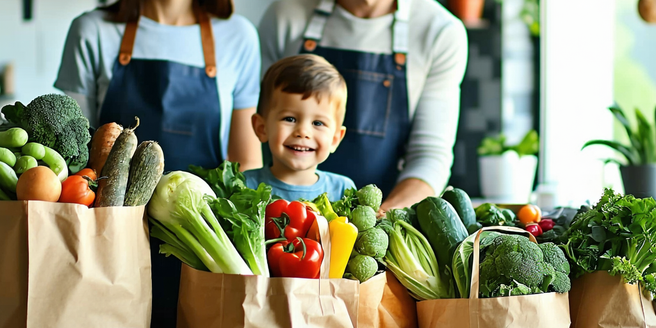
Food stamps, or SNAP benefits, allow beneficiaries to purchase a variety of food items to support a balanced diet. Eligible purchases include fruits, vegetables, meat, poultry, fish, dairy products, bread, cereals, and seeds or plants that produce food. However, there are restrictions on what can be bought with food stamps. Items like alcoholic beverages, tobacco products, vitamins, and prepared foods that are hot at the point of sale are not allowed. It’s crucial for participants to be aware of eligible and ineligible items to make the most of their benefits. SNAP benefits are intended to ensure access to nutritious food, promoting better health and well-being for low-income families. By understanding these purchasing guidelines, beneficiaries can effectively plan their monthly food budget.
Recent Changes and Updates to the Program
The Food Stamps Program frequently undergoes changes and updates to better serve low-income households. Recent updates might involve adjustments to income eligibility thresholds, benefit amount calculations, or adjustments based on the cost of living. Periodically, policy changes may occur, influenced by economic conditions and legislative shifts. For example, during the COVID-19 pandemic, temporary measures were enacted to increase benefits and reduce application barriers. Keeping abreast of these changes is crucial for beneficiaries to understand their rights and the resources available to them. States usually provide updates through official websites and notifications. Staying informed helps recipients to maximize their benefits, ensuring they meet their nutritional needs effectively. Understanding these updates empowers participants to navigate the program efficiently.