WIC Income Limits by State
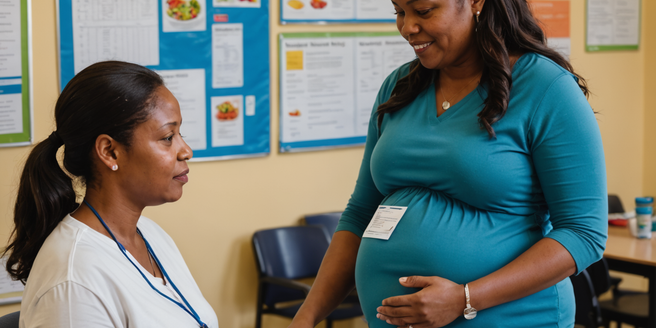
Understanding WIC Income Eligibility Requirements
The Women, Infants, and Children (WIC) program provides nutritional support to eligible low-income families. Income eligibility is determined by comparing household income to federal poverty guidelines, typically set at 185 percent of the federal poverty level. These thresholds ensure assistance reaches families most in need. Eligibility varies based on household size, with larger families having higher absolute income limits. The program evaluates gross household income, which includes wages, benefits, and other sources. Understanding these requirements helps families determine if they qualify for vital nutrition services. Many families discover they’re eligible but never apply due to misconceptions about income limits. It’s crucial to check current guidelines annually, as thresholds adjust with inflation and cost-of-living changes.
Regional Variations in WIC Income Thresholds
While WIC operates under federal guidelines, regional variations exist due to state-specific adjustments and cost-of-living differences. Some states implement income limits slightly above the federal 185 percent threshold, providing broader eligibility. Geographic location, housing costs, and local economic conditions influence these variations. States with higher living expenses often adjust thresholds upward to reflect economic realities. These regional differences mean a family in one state might qualify while identical circumstances in another state wouldn’t qualify. Understanding your specific state’s guidelines is essential for accurate eligibility determination. WIC administrators work with federal agencies to establish fair thresholds reflecting regional needs. Families should consult their state’s WIC office for precise income requirements rather than assuming national figures apply uniformly.
How to Calculate Your Household Income for WIC
Calculating household income for WIC eligibility requires including all gross income sources before taxes or deductions. Include wages from employment, self-employment income, and government benefits like unemployment or Social Security. Child support, alimony, and rental income count toward household totals. However, certain income types may be excluded, such as educational grants or loans. Household size includes all individuals living together receiving meals from the same kitchen. Understanding what counts as income prevents costly mistakes during application. Many families underestimate or overestimate their income, affecting eligibility status. Documentation like recent pay stubs, tax returns, and benefit statements supports income verification. The WIC application process typically requires proof of current income. Professional WIC staff can help clarify what counts toward household income calculations.
State-by-State Income Limit Comparison Chart
Comparison charts reveal significant variations across states in WIC income limits, demonstrating how regional economies affect program eligibility. States like California and New York often maintain higher thresholds reflecting elevated living costs. Southern and rural states may maintain lower limits aligned with regional economic conditions. Income limit comparisons help families understand their state’s positioning relative to national averages. Charts typically display monthly and annual income limits organized by household size for easy reference. These tools prove invaluable for policy makers assessing program accessibility and effectiveness. Annual updates ensure charts reflect current federal poverty guidelines and state adjustments. Accessing comprehensive comparison charts helps families plan financially and determine program eligibility confidently. State WIC offices maintain current charts available through websites and offices.
Updated Income Guidelines for 2025 and Beyond
The 2025 WIC income guidelines reflect adjustments based on updated federal poverty measurements and inflation considerations. Annual updates typically occur July first, affecting millions of potentially eligible families nationwide. Income limits increase modestly each year to account for living cost increases and economic changes. Families previously ineligible may qualify under updated thresholds, while others might lose eligibility. Staying informed about guideline updates ensures families understand their current eligibility status. These updates balance program accessibility with fiscal responsibility and resource allocation. Forward-looking guidelines help states plan staffing and resource distribution effectively. Many families miss application opportunities simply by not knowing about annual updates. Subscribing to state WIC newsletters or following official channels provides timely notifications about guideline changes and program updates affecting households.