Federal Transit Assistance for Elderly
Understanding Eligibility Requirements and Documentation
To qualify for federal transit assistance, elderly individuals must meet specific age and income requirements. Most programs require applicants to be at least 65 years old, though some begin at 60. Documentation is essential and typically includes proof of age through birth certificates or government-issued identification. Income verification through tax returns or Social Security statements helps determine eligibility for needs-based programs. Residency documentation establishes your connection to service areas. Medical certifications may be required for specialized transportation services. Different agencies may have varying submission deadlines, so it’s important to check with your local transit authority early in the process. Keep organized records of all documents, as agencies need complete information for processing applications. Understanding these requirements upfront prevents delays and ensures smooth application processes.
Overview of Available Federal Transit Programs and Benefits
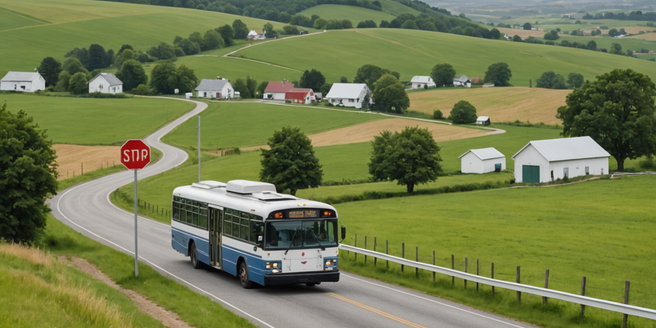
Federal transit assistance encompasses several programs designed specifically for elderly populations. The Section 5310 program provides funding for transportation services to seniors and individuals with disabilities. The Section 5311 program supports rural transit systems offering affordable rides. Medicare-funded transportation programs cover medical appointment travel. Reduced-fare programs provide discounts on public transit systems nationwide. Complementary paratransit services accommodate those unable to use fixed-route systems. These programs collectively reduce transportation barriers that isolate seniors from essential services, social activities, and community engagement. Many seniors are unaware of these valuable resources available in their communities. Benefits include affordable or free rides, door-to-door service options, and specialized assistance for mobility-impaired passengers. Understanding available programs helps seniors access appropriate services.
How to Apply for Federal Transit Assistance
Applying for federal transit assistance requires contacting your local transit authority or area agency on aging. Begin by gathering required documentation including proof of age, income verification, and residency confirmation. Visit your regional transit office or access online application portals to submit information. Many agencies now offer digital applications through their websites, streamlining the process significantly. Alternatively, telephone application services accommodate those preferring remote assistance. Application processing typically takes two to four weeks. Once approved, you’ll receive identification cards or vouchers enabling service access. Don’t hesitate to request application assistance from senior centers or community organizations if needed. Staff members are trained to help navigate requirements and answer specific questions about your circumstances.
Maximizing Your Benefits: Tips and Resources
To maximize your federal transit benefits, familiarize yourself with service schedules and available routes. Utilize trip planning tools on transit agency websites to optimize travel efficiency. Many agencies offer discount cards providing additional savings beyond base reduced fares. Combine multiple programs when eligible to enhance overall benefits. Register with your local senior center for workshops teaching transit system navigation and available resources. Ask about complementary services like grocery delivery programs or volunteer driver initiatives. Request printed materials explaining all available programs and benefits. Connect with case managers at area agencies on aging who can identify additional assistance programs. Subscribe to agency newsletters for updates on new services or expanded coverage areas. Regular communication with service providers ensures you remain informed about changes affecting your eligibility or available benefits.
Common Questions and Troubleshooting Support
Many seniors wonder whether federal assistance covers private vehicle services or only public transit. Coverage varies by program, though most focus on public transportation systems. Questions about income limits frequently arise since requirements differ across programs. Documentation delays represent common application challenges resolved through direct contact with agencies. Technical issues with online portals require assistance from transit agency technology support teams. Some seniors ask whether receiving benefits affects Social Security or other income assistance programs. Generally, transit assistance doesn’t impact Social Security benefits. If you experience service disruptions, contact your transit agency immediately. Lost identification cards can be replaced quickly at regional offices. For persistent issues, escalate complaints through formal dispute procedures. Senior advocacy organizations provide free consultation helping resolve eligibility disputes or service complaints effectively.