How to Contact Local Assistance Offices
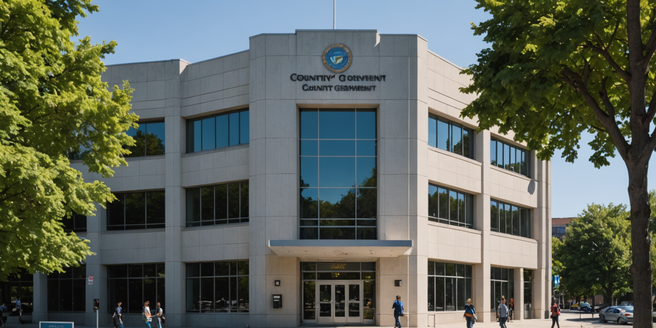
Finding Your Nearest Local Assistance Office
Locating your nearest local assistance office is the first step toward accessing vital services. Start by visiting your state or county government website, where you’ll find a directory of offices organized by region. You can search by zip code or city name to identify the closest location to your home. Many municipalities maintain helplines that connect you with the appropriate office based on your needs. Additionally, community centers, libraries, and social service agencies often have information about nearby assistance offices. Online maps and search engines can help you verify addresses and directions. Consider calling your city hall or county administrative office for personalized guidance. Local nonprofits and community organizations may also provide referrals. Having the correct office address ensures you receive appropriate services efficiently.
Understanding Office Hours and Service Availability
Local assistance offices maintain specific hours to serve their communities effectively. Most offices operate during standard business hours, typically Monday through Friday from 9 AM to 5 PM, though some extend hours into evenings. Many offices close during lunch periods, so verify the schedule before visiting. Some locations offer Saturday hours for working individuals who cannot visit on weekdays. Holiday closures are common, so check the calendar in advance. Service availability varies by program type, with certain assistance available only on specific days. Remote services like phone support may have different hours than in-person services. Understanding these schedules prevents wasted trips and frustration. Contact your local office directly or check their website for current hours, as schedules can change seasonally.
Phone Numbers and Direct Contact Methods
Phoning your local assistance office provides quick access to information and services. Most offices maintain dedicated phone lines for different programs and departments. Prepare your questions or documentation needs before calling to use time efficiently. Many offices have automated systems that route calls to appropriate departments or provide recorded information. Some maintain separate lines for urgent matters versus routine inquiries. Email is increasingly available for non-urgent questions and document submissions. Fax services remain useful for submitting applications and supporting documents. When calling, have your identification and relevant case numbers readily available. Many offices list contact information on their websites, including direct department numbers. Consider calling during less busy times, typically mid-morning on weekdays, for faster connection and shorter wait times.
Visiting in Person: What to Bring and Expect
In-person visits to assistance offices require proper preparation and documentation. Bring valid government-issued identification, such as a driver’s license or passport, to verify your identity. Social Security cards, birth certificates, or other relevant identification documents strengthen applications. Financial records including recent pay stubs, bank statements, and tax returns support eligibility determinations. Proof of residency like utility bills or lease agreements may be required. Allow plenty of time for your visit, as offices often experience wait times. Upon arrival, expect to check in with reception staff who direct you appropriately. Bring completed applications if available, along with extra copies for office records. Wear comfortable clothing since visits may involve waiting periods. Come prepared to answer detailed questions about your circumstances.
Online Portals and Digital Communication Options
Many local assistance offices now offer secure online portals for convenient service access. These platforms allow you to check application status, submit documents, and manage your account from home. Digital communication through email provides documented correspondence and flexible scheduling. Video conferencing appointments eliminate travel requirements for eligible services. Online application systems reduce paperwork and expedite processing. Two-factor authentication protects your personal information from unauthorized access. Create accounts with strong passwords and secure access credentials. Most portals provide tutorials or guides for first-time users. Digital options particularly benefit individuals with mobility challenges or transportation barriers. Check your local office website for portal availability and registration instructions. Many offices maintain social media accounts for updates and announcements regarding services.
Tips for Getting Quick and Effective Responses
Effective communication strategies accelerate responses from local assistance offices. Be clear and concise when explaining your situation and specific needs. Submit complete documentation upfront to avoid requests for additional information. Follow up appropriately if you haven’t received responses within stated timeframes. Keep records of all communications, including dates, times, and staff names. Ask questions directly about timelines and expected processing periods. Request written confirmation of submitted applications and required next steps. Understand the specific programs for which you qualify before contacting offices. Maintain professional communication whether in person, by phone, or through email. Ask for supervisor contact information if needed for escalation. Build a positive relationship with case workers through courtesy and responsibility.