Food Distribution Programs
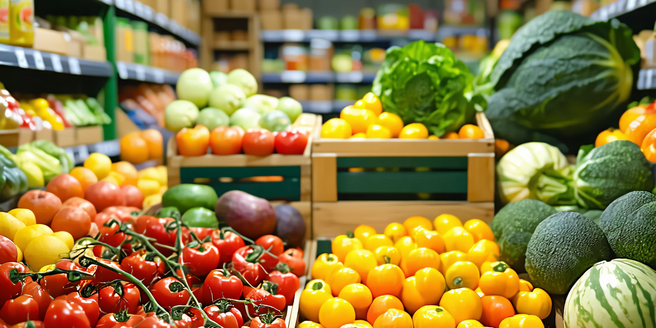
Understanding Food Distribution Programs
Food distribution programs are essential frameworks that ensure communities across the globe have access to adequate nutrition. These programs are often managed by governments, non-profits, and volunteer organizations, aiming to alleviate hunger by delivering food to those in need. By coordinating with food banks, agricultural producers, and wholesale suppliers, distribution networks can efficiently allocate resources to various sectors, including schools, shelters, and low-income communities. The intricate logistics involved require effective planning, transportation, and storage solutions, designed to minimize waste and maximize reach. Understanding how these programs operate provides insight into their critical role in maintaining public health and ensuring food security, particularly in underserved regions.
Types of Food Distribution Programs
Food distribution programs come in various forms, each tailored to meet the needs of a specific population. Common types include emergency food assistance, school meal programs, and senior nutrition programs. Emergency food assistance provides immediate relief during disasters or economic crises, distributing non-perishable food items to affected individuals. School meal programs offer nutritious breakfasts and lunches to students, promoting healthy growth and learning. Senior nutrition programs deliver balanced meals to the elderly, ensuring they receive the necessary nutrients. Each type of program is designed to target the unique needs of different demographics, ultimately reducing food insecurity and promoting well-being across communities.
Key Organizations Involved in Food Distribution
A plethora of organizations play pivotal roles in food distribution, including governmental agencies, non-profit organizations, and international bodies. Agencies like the United States Department of Agriculture (USDA) oversee national efforts, setting standards and providing funding for various initiatives. Non-profit organizations, such as Feeding America and the Global FoodBanking Network, work on both national and international scales to connect surplus food with hungry populations. International bodies like the World Food Programme address global hunger, implementing programs in areas most in need. Each entity collaborates with a network of partners to ensure food reaches those who require it, leveraging resources and expertise to combat hunger effectively.
Challenges Faced by Food Distribution Programs
Food distribution programs encounter numerous challenges that hinder their effectiveness. Logistics and transportation are primary concerns, as distributing food to remote or conflict-affected areas can be incredibly difficult. Funding is another critical issue; many programs rely on donations or government support, which can fluctuate and affect the availability of resources. Additionally, food safety and quality control must be meticulously managed to prevent spoilage and ensure the health of recipients. Finally, programs must adapt to changing climate conditions, which can impact food production and availability. Addressing these challenges requires innovative strategies and strong partnerships across sectors.
Success Stories and Case Studies
Success stories offer valuable insights and inspiration, highlighting the impact of food distribution programs around the world. For instance, a community initiative in Kenya transformed a defunct school cafeteria into a bustling food hub, providing daily meals to over 500 children. In the United States, a mobile food pantry project brought fresh produce to rural areas, significantly reducing local food insecurity rates. Case studies from India reveal how partnerships between local farmers and food banks have minimized food waste while supporting local economies. These stories exemplify how targeted efforts and community engagement can drive positive outcomes in food distribution.
Future Trends in Food Distribution Programs
The future of food distribution programs is shaped by technological advancements and shifting societal needs. Digital platforms are enhancing the coordination and efficiency of food supply chains, allowing for real-time tracking and data-driven decision-making. Innovations in cold chain logistics and packaging extend the shelf life of perishable goods, opening new possibilities for remote deliveries. There is also an increasing focus on sustainability, with programs incorporating eco-friendly practices to reduce their carbon footprint. Moreover, community engagement is expected to play a larger role, empowering local populations to actively participate in their food security. As these trends evolve, food distribution programs are poised to become more resilient and impactful.