Disaster Relief and Emergency Assistance
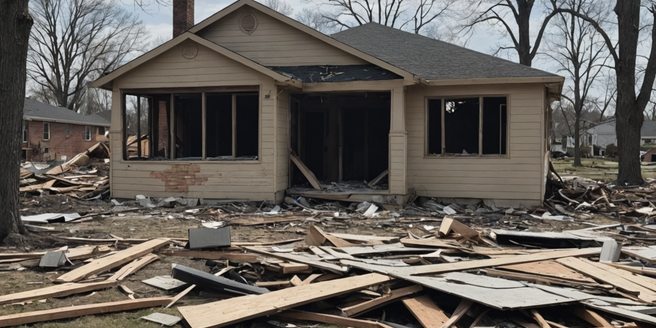
Understanding the Immediate Response Phase
The immediate response phase is critical in disaster relief operations, typically occurring within the first 72 hours after a catastrophic event. During this period, emergency services prioritize search and rescue operations, establishing emergency communication channels, and providing urgent medical care to the injured. First responders assess damage, identify affected populations, and mobilize resources rapidly. Coordination between local authorities and national emergency management agencies becomes essential. Establishing incident command systems ensures clear communication and efficient resource allocation. Medical teams set up triage centers to handle casualties effectively. Water, food, and temporary shelter become immediate priorities. This phase determines the foundation for all subsequent relief efforts and significantly impacts overall survival rates and community outcomes during the critical early hours.
Coordinating Multi-Agency Relief Efforts
Successful disaster response requires seamless coordination among multiple agencies including government departments, non-governmental organizations, military units, and international relief organizations. Establishing unified command structures prevents duplication of efforts and ensures comprehensive coverage of affected areas. Regular inter-agency meetings facilitate information sharing and resource optimization. Clear protocols define each organization’s responsibilities and operational boundaries. Communication systems must remain robust and accessible to all participants. Pre-disaster planning through mutual aid agreements strengthens coordination capabilities. Specialized teams handle logistics, medical response, security, and infrastructure assessment. Joint training exercises prepare agencies for coordinated response. Establishing liaison officers between organizations improves information flow and decision-making speed. Transparent reporting mechanisms track resource deployment and identify emerging gaps, ensuring vulnerable populations receive adequate assistance throughout the relief operation.
Providing Essential Supplies and Shelter
Securing essential supplies and shelter represents one of disaster relief’s most visible components. Priority items include clean water, non-perishable food, medical supplies, blankets, and hygiene kits distributed to evacuation centers and affected communities. Temporary shelters range from emergency tents to repurposed buildings, accommodating thousands of displaced persons. Supply chain management becomes critical, requiring inventory tracking and equitable distribution systems. Local procurement supports community economies while ensuring rapid availability of necessities. Volunteers and community members assist in distribution efforts, building social cohesion. Accessibility considerations ensure vulnerable populations receive assistance, including children, elderly individuals, and persons with disabilities. Nutritional needs vary by age and health status, requiring diverse food supplies. Sanitation facilities must meet minimum standards preventing disease outbreaks. Water purification systems ensure potable supplies. Regular assessment of conditions drives continuous improvement in provision levels and quality.
Mental Health Support and Community Recovery
Disasters generate significant psychological trauma affecting survivors, responders, and affected communities. Comprehensive mental health programs address acute stress, anxiety, depression, and post-traumatic stress disorder. Trained counselors provide immediate psychological first aid stabilizing emotional crises. Support groups facilitate peer connection and shared healing experiences. Community leaders and religious figures offer spiritual guidance aligned with cultural values. Mental health services remain integrated with medical care and social support. Schools implement trauma-informed approaches supporting children’s recovery and development. Workplace wellness programs assist employees managing disaster-related stress. Long-term counseling addresses persistent psychological effects. Community events rebuild social bonds disrupted by disaster. Resilience training strengthens psychological capacity for future challenges. Early intervention prevents chronic mental health complications. Culturally sensitive approaches respect diverse responses to trauma, recognizing individual differences in recovery timelines and preferences.
Long-Term Reconstruction and Resilience Building
Disaster recovery extends beyond immediate emergency response, requiring sustained efforts spanning months and years. Infrastructure reconstruction includes rebuilding homes, roads, hospitals, schools, and utilities. Economic recovery programs support displaced workers and affected businesses through employment assistance and microfinance initiatives. Building code improvements enhance structural resilience against future disasters. Community-based planning ensures reconstruction reflects local needs and priorities. Environmental restoration addresses ecological damage from catastrophic events. Educational initiatives build awareness of disaster preparedness and risk reduction. Livelihood diversification reduces economic vulnerability. Early warning systems and evacuation protocols strengthen disaster preparedness. Psychological recovery continues through ongoing counseling and community support. Insurance programs provide financial protection for future disasters. Networking with international best practices informs reconstruction strategies. Continuous evaluation identifies lessons learned and areas for improvement, ultimately building stronger, more resilient communities better prepared for future challenges.