Rental Housing Inspection Rules
Understanding the Purpose of Rental Inspections
Rental inspections are essential for maintaining the safety and quality of rental properties. They serve multiple purposes, such as ensuring compliance with housing regulations, identifying maintenance needs, and fostering transparency between landlords and tenants. Regular inspections help detect issues early, preventing costly repairs and enhancing tenant satisfaction. They also protect landlords from potential liabilities by documenting property conditions. An inspection occurs at various times, including move-in, move-out, and periodically during the tenancy. A clear understanding of these inspections helps both parties to address concerns promptly, leading to a harmonious rental relationship. Tenants should be informed in advance and have clarity about what will be inspected. Overall, inspections are a proactive approach to property management and tenant cooperation.
Key Regulations for Landlords and Tenants
Landlords and tenants must be aware of key regulations governing rental inspections to ensure a smooth process. Landlords are legally required to provide adequate notice, typically 24 to 48 hours, before entering a tenant’s property for inspection. Failure to comply can lead to disputes or legal issues. Tenants have the right to a reasonable expectation of privacy and should be present during inspections if they choose. Inspections should be conducted at reasonable times to avoid inconveniences. Both parties should be familiar with local housing codes and lease agreements to understand their rights and responsibilities. Adequate documentation of inspection findings is vital, as it provides evidence of property condition and any necessary repairs, protecting both landlord and tenant interests.
Pre-inspection Checklist for Landlords
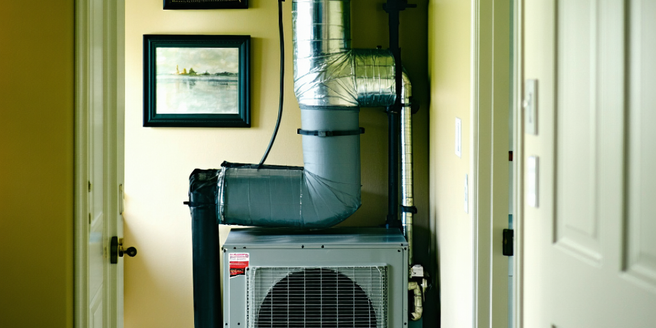
To prepare for a rental inspection, landlords should follow a pre-inspection checklist to ensure they cover all necessary areas. Start by reviewing the lease agreement to understand any specific clauses regarding inspections. Inspect the property’s exterior for structural issues, such as roof leaks, damaged siding, or cracked foundations. Inside, check for functional smoke detectors, properly working locks, and clean, safe wiring systems. Verify that plumbing is in good condition and free from leaks. Ensure that heating and cooling systems are fully operational. Take note of any damages or areas requiring maintenance, and arrange for repairs before the inspection. By preparing thoroughly, landlords can facilitate a successful inspection and demonstrate their commitment to property maintenance and tenant satisfaction.
What Inspectors Look for During an Inspection
During a rental inspection, inspectors evaluate various aspects of the property to ensure compliance with local housing standards. They check for health and safety hazards, including mold, asbestos, and lead paint. Inspectors assess the structural integrity of the building, looking for signs of damage or deterioration. Electrical wiring, plumbing systems, and gas connections are examined for functionality and safety standards. Additionally, inspectors review fire safety measures including smoke detectors and fire extinguishers. Cleanliness, pest infestations, and general maintenance are also assessed to ensure a safe living environment. Inspectors document any issues that require correction, offering landlords a detailed report. Understanding what inspectors focus on allows landlords and tenants to better prepare and address potential problems beforehand, fostering a successful inspection process.
Common Issues Found in Rental Inspections
Rental inspections often reveal common issues that need addressing to ensure safe, habitable living conditions. Some frequent problems include pest infestations, such as ants, rodents, or cockroaches, which require professional intervention. Mold and mildew growth in damp areas like bathrooms or basements can indicate insufficient ventilation. Inspectors often find outdated or damaged electrical systems that pose safety hazards. Plumbing issues, like leaks or malfunctioning fixtures, are also common findings. Structural concerns, including cracked walls or faulty roofing, may appear during inspections. Fire safety shortcomings, such as non-functional smoke alarms, are serious concerns that need immediate attention. Regular maintenance and proactive inspections can help landlords identify and rectify these common issues, ensuring tenant safety and satisfaction, and protecting the property value.
Tenant Responsibilities During Inspections
Tenants play a crucial role during rental inspections, and understanding their responsibilities is vital for a smooth process. Tenants should ensure the property is clean and accessible for thorough inspection. This includes tidying up living spaces and removing any personal items obstructing access to windows, plumbing, or electrical fixtures. Tenants should document any pre-existing damage they notice and communicate them to the landlord ahead of inspections. Maintaining open communication about repair needs can help prevent conflicts. Tenants should also be familiar with their rights, ensuring the landlord has provided adequate notice before entering the property. By cooperating fully and being prepared, tenants contribute to successful inspections, ultimately benefiting their living environment and relationship with the landlord.
How to Prepare for a Smooth Inspection Process
Preparation is key to a smooth rental inspection process for both landlords and tenants. For landlords, creating a comprehensive checklist of areas to inspect and repair can streamline preparations. Consider hiring professionals for maintenance tasks if needed. A well-conducted inspection not only assesses the current state of the property but also builds trust between the parties involved. Documenting the property’s current condition with photos or video provides a baseline. Tenants should tidy up and clear obstructed areas for easy inspection. Open, proactive communication between landlords and tenants can alleviate misunderstandings. Scheduling inspections at convenient times for tenants fosters cooperation. Understanding the lease agreement and local regulations keeps expectations clear. By taking these steps, both parties can work collaboratively, addressing issues efficiently and ensuring a harmonious outcome to the inspection process.
Post-inspection Procedures and Follow-ups
After a rental inspection, it’s important to follow a structured post-inspection procedure to address identified issues and ensure tenant satisfaction. Landlords should review the inspection report thoroughly, prioritizing any repairs or maintenance needs. Timely communication with tenants about the findings and proposed action plans is crucial. Setting a timeline for repairs and offering updates on progress can help maintain tenant trust. Landlords should keep documentation of resolved issues for future reference. Tenants, in turn, should cooperate with repair work schedules and report any new problems. Both parties should maintain open lines of communication to discuss any discrepancies from the inspection report. An effective follow-up can lead to improved property conditions and tenant relationships.
Legal Recourse if Discrepancies Arise
Discrepancies arising from rental inspections can lead to disputes, and understanding the legal recourse available is crucial for both landlords and tenants. Tenants should meticulously document inspection findings to support claims of unresolved issues. If repairs are neglected, tenants can refer to lease agreements and local housing laws. Filing a complaint with local housing authorities may be necessary if significant health or safety hazards exist. Landlords, conversely, should have well-documented inspection reports and communication records to counter any wrongful claims. Mediation or arbitration can offer a neutral ground to resolve disputes amicably. In severe cases, legal action may be required, so consulting a real estate lawyer is advisable. Both parties should strive to resolve discrepancies efficiently, preserving a positive rental relationship.
Staying Informed on Changing Inspection Laws
Staying informed about changing inspection laws is imperative for both landlords and tenants to navigate rental agreements effectively. Housing regulations can differ significantly between regions and are subject to periodic updates. Landlords should regularly consult local housing authorities for current laws and maintain compliance to avoid penalties. Tenants should familiarize themselves with their rights and any new regulations that could affect their tenancy. Subscribing to real estate newsletters or joining local housing forums can provide timely updates. Building a network with legal experts or property management professionals can also offer insights into changing laws. Both parties should prioritize continual education to adapt to legal changes, ensuring adherence to inspection standards and protecting their interests.