Snap Benefit Transfer Guide
Understanding SNAP Benefits
The Supplemental Nutrition Assistance Program (SNAP) is designed to assist low-income families and individuals in purchasing the food they need for good health. Formerly known as the food stamp program, SNAP benefits are now distributed using electronic benefits cards similar to debit cards. This approach ensures easier and more discreet usage, allowing recipients to shop without stigma. Many community organizations offer guidance and resources to help SNAP recipients make the most out of their benefits. By providing monthly funds that vary based on household size and income, SNAP aims at improving nutrition among vulnerable populations. To maximize the impact, it’s crucial for beneficiaries to understand eligibility, application procedures, and the best ways to utilize these benefits.
How to Apply for SNAP Benefits
Applying for SNAP benefits requires a few simple steps aimed at confirming eligibility and assessing the level of support needed. Interested applicants should contact local SNAP offices or visit their state’s dedicated online portals. Many states offer comprehensive guides to assist applicants through this process. It’s important to begin the application with all necessary documents at hand. The application process usually involves detailing household size, income, and expenses. Documenting income and residency through payslips, bills, or lease agreements is crucial. Once submitted, applicants might be called for an interview to further verify personal and financial information. Understanding the process and ensuring all information is accurate can streamline one’s application and speed up access to benefits.
Eligibility Criteria for SNAP
To qualify for SNAP benefits, potential recipients must meet specific criteria that assess both income and resource limits. Usually, eligibility is determined by gross and net income thresholds, which account for family size and various deductions. Additionally, U.S. citizenship or legal residency is required. Familiarizing oneself with these requirements can prevent unnecessary delays in the application process. Staying informed can significantly improve the application process and outcome. It’s advisable for applicants to regularly review updates to the federal guidelines. Certain demographic groups, including elderly individuals and people with disabilities, often have adjusted criteria to reflect their unique circumstances. It’s important for applicants to stay informed about state-specific regulations, as some states may have additional programs or adjusted rules to better serve their communities.
Using Your SNAP Benefit Card
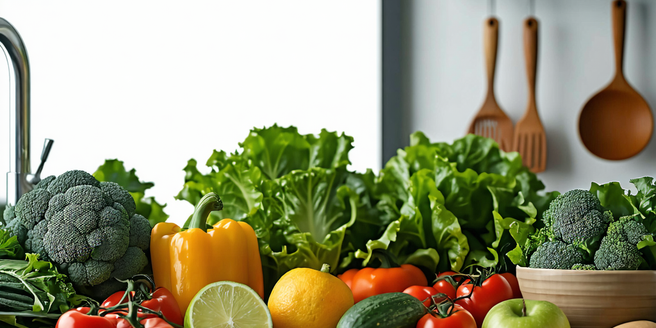
Once approved, beneficiaries receive a SNAP electronic benefits transfer (EBT) card, functioning much like a debit card. The EBT card offers convenience and security, ensuring transactions are quick and discreet. Before making purchases, beneficiaries should check if the retailer accepts EBT cards. It’s important for beneficiaries to familiarize themselves with the program guidelines for using the card effectively. At authorized retail outlets and farmers markets, users can purchase a broad selection of food items like fruits, vegetables, dairy products, and meats. However, SNAP benefits do not cover non-food items, alcoholic beverages, or prepared hot meals. Keep track of your balance via online services or customer service lines, and report any lost or stolen cards immediately to prevent misuse.
Maximizing Your SNAP Benefits
Maximizing SNAP benefits requires strategic planning and wise utilization of resources. Start by creating a balanced meal plan that prioritizes nutritional value and affordability. Although SNAP does not cover non-food items, beneficiaries can skillfully manage their overall household budget by using leftover resources after purchasing food. It’s also beneficial to explore local programs that provide additional food support. Joining community workshops can offer valuable insights and tips for maximizing food benefits. Shopping in bulk and taking advantage of sales can stretch dollars further. Additionally, educating oneself on state-specific initiatives that enhance SNAP, like Double Up Food Bucks for fresh produce, can increase the purchasing power, ensuring healthier options are available within budgetary constraints.