Medicaid Coverage for Oxygen Equipment
Understanding Medicaid Eligibility Requirements for Oxygen Equipment
Medicaid eligibility for oxygen equipment requires meeting specific medical and financial criteria. Beneficiaries must have a documented medical need for supplemental oxygen, typically demonstrated through pulmonary function tests or arterial blood gas measurements. A physician must prescribe the equipment and justify its medical necessity. Income and asset limits vary by state, as Medicaid is administered individually by each state within federal guidelines. Categorical eligibility may apply through disability, age, or family status. Documentation of chronic conditions such as COPD, pulmonary hypertension, or cystic fibrosis strengthens applications. States may have different approval processes and timelines. It’s essential to understand your specific state’s requirements, as they differ significantly. Consulting with your state Medicaid office ensures you meet all necessary criteria before applying for coverage.
Types of Oxygen Equipment Covered by Medicaid
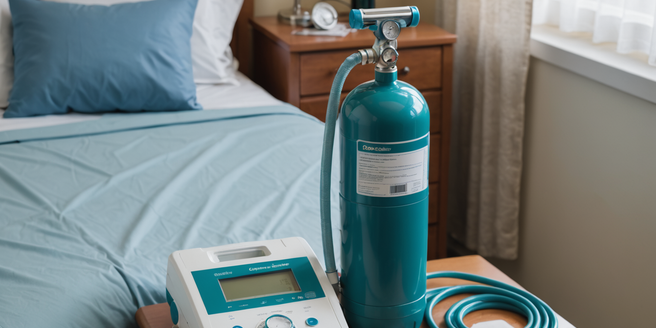
Medicaid covers various oxygen delivery systems based on individual medical needs. Stationary oxygen concentrators are commonly covered for home use, converting ambient air into concentrated oxygen. Portable oxygen concentrators enable mobility and independence for active beneficiaries. Liquid oxygen systems provide high-capacity storage for frequent users. Oxygen tanks in various sizes accommodate different activity levels and durations. Continuous positive airway pressure machines and bi-level positive airway pressure devices treat sleep apnea. Tubing, masks, and cannulas are covered supplies. Humidifiers and accessories enhance comfort and treatment effectiveness. Coverage extends to maintenance and repairs of approved equipment. Specific coverage varies by state program guidelines and individual prescriptions. Your healthcare provider determines which equipment best suits your condition. Always verify coverage with your state Medicaid program before obtaining equipment to avoid unexpected expenses.
The Prior Authorization Process and Documentation Needed
Prior authorization is typically required before Medicaid approves oxygen equipment coverage. Your physician must submit a detailed prescription including oxygen prescription specifications, medical justification, and patient diagnosis. Required documentation includes pulmonary function test results, arterial blood gas measurements, and relevant medical records. A statement of medical necessity from your treating physician strengthens the application. The authorization process usually takes five to fourteen business days. Some states expedite urgent cases requiring immediate oxygen therapy. Your supplier may handle paperwork submission on your behalf. Keep copies of all submitted documents for reference. If denied, you have appeal rights with specific timeframes. Understand your state’s specific requirements and deadlines. Proper documentation streamlines approval and prevents delays in receiving necessary equipment and therapy.
Cost-Sharing: Copayments, Coinsurance, and Deductibles
Medicaid cost-sharing varies significantly by state and individual eligibility category. Some beneficiaries pay nominal copayments per equipment rental or purchase, typically two to five dollars. Others may face coinsurance, paying a percentage of approved charges after meeting deductibles. States establish different deductible amounts annually, ranging from zero to several hundred dollars. Pregnant women and children often receive reduced or eliminated cost-sharing. Emergency Medicaid and Supplemental Security Income recipients typically have minimal out-of-pocket costs. Managed Medicaid plans sometimes impose different cost-sharing structures than fee-for-service programs. Financial assistance programs may help eligible beneficiaries manage expenses. Understanding your specific plan’s cost-sharing requirements prevents billing surprises. Contact your state Medicaid office for detailed cost information. Some suppliers offer payment plans or financial counseling.
Supplier Selection and Finding Medicaid-Approved Vendors
Selecting Medicaid-approved suppliers ensures coverage eligibility and quality service. Your state Medicaid program maintains lists of qualified suppliers meeting regulatory standards. Ask your physician for supplier recommendations with Medicaid experience. Verify suppliers hold current Medicare DMEPOS certifications, indicating quality standards compliance. Contact multiple suppliers comparing equipment options, delivery timeframes, and customer support availability. Confirm suppliers accept your specific Medicaid plan before committing. Request written quotes detailing covered and non-covered items. Ask about equipment maintenance, repair services, and emergency support availability. Check supplier credentials through your state’s Medicaid agency website. Reviews and patient testimonials provide insight into service quality. Avoid cash-pay arrangements unless absolutely necessary. Authorized suppliers handle billing directly with Medicaid, protecting your benefits. Building relationships with knowledgeable suppliers simplifies future equipment needs and ensures optimal care coordination.