Immunizations and Vaccines Under Medicaid
Understanding Medicaid Coverage for Vaccines
Medicaid provides comprehensive coverage for immunizations as part of its commitment to preventive healthcare. All states are required to cover vaccines recommended by the CDC’s Advisory Committee on Immunization Practices. This includes routine childhood vaccinations, adolescent vaccines, and adult immunizations. Coverage extends to both in-network and out-of-network providers in many cases. Medicaid beneficiaries typically face no out-of-pocket costs for covered vaccines, eliminating financial barriers to immunization. The program recognizes vaccines as essential preventive services that protect public health. Understanding your specific state’s Medicaid plan details ensures you receive maximum benefits. Each state administers its own program with slight variations, so contacting your local Medicaid office provides personalized coverage information and answers specific questions about your vaccination benefits.
Types of Immunizations Covered by Medicaid
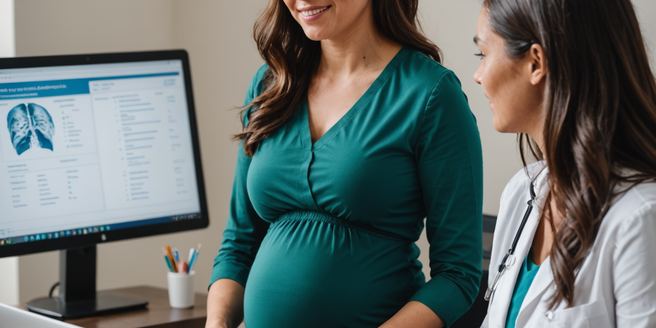
Medicaid covers a wide range of immunizations across all age groups. Childhood vaccines include protection against measles, mumps, rubella, polio, pertussis, and hepatitis. Adolescent coverage includes HPV and meningococcal vaccines. Adult immunizations encompass flu shots, pneumococcal vaccines, and shingles prevention. Medicaid also covers COVID-19 vaccines and boosters for eligible beneficiaries. Pregnant women receive coverage for prenatal vaccinations protecting both mother and baby. Travel-related vaccines may be covered depending on medical necessity and state policies. Immunocompromised individuals receive additional vaccine options tailored to their conditions. The covered vaccine list updates regularly based on CDC recommendations. Your healthcare provider can determine which vaccines you need based on your age, health status, and medical history. Consult your state’s Medicaid program for the most current vaccination coverage details.
Eligibility Requirements for Vaccine Coverage
Medicaid eligibility varies by state but generally includes low-income individuals and families, children, pregnant women, elderly adults, and disabled persons. Income limits determine qualification, though many states have expanded eligibility. Children automatically receive Medicaid in many households meeting income thresholds. Pregnant women often qualify regardless of immigration status in certain states. Seniors and individuals with disabilities may qualify through supplemental programs. Emergency Medicaid covers emergency services including vaccination-related care. Each state establishes specific eligibility criteria, so requirements differ across the nation. Documentation requirements typically include proof of income, residency, and citizenship or legal status. Application processes vary but can be completed online, by mail, or in person. Contact your state’s Medicaid agency to determine your eligibility status. Enrollment periods may apply, though some states offer year-round applications. Understanding your specific state’s requirements ensures you access vaccine benefits.
How to Access Vaccinations Through Your Medicaid Plan
Accessing vaccinations through Medicaid involves several straightforward steps. First, confirm your Medicaid coverage status and identify your plan’s vaccination providers. Locate participating clinics, hospitals, or primary care physician offices accepting Medicaid. Schedule an appointment directly or through your plan’s care coordinator. Bring your Medicaid card and photo identification to your appointment. Discuss any medical history or allergies with your healthcare provider before vaccination. Most Medicaid plans cover vaccinations at no cost to beneficiaries. Some states offer mobile vaccination clinics for increased accessibility. Community health centers frequently participate in Medicaid and provide comprehensive vaccination services. Pharmacies increasingly offer Medicaid-covered vaccines for convenience. After vaccination, request records for your personal health file. If you lack a primary care provider, your state’s Medicaid website lists in-network facilities nearby. Many plans offer transportation assistance to vaccination appointments.
Common Questions About Medicaid and Immunization Costs
Many beneficiaries wonder whether Medicaid covers vaccine costs completely. Yes, Medicaid covers approved immunizations with zero out-of-pocket expenses for eligible beneficiaries. Some states may charge nominal administrative fees, but vaccine costs are always covered. Can you receive vaccines from any provider? Medicaid covers in-network providers; out-of-network care may have restrictions depending on your plan. Do vaccination appointments require prior authorization? Most routine immunizations don’t need approval; your provider handles administrative requirements. Are COVID-19 vaccines covered? Yes, all COVID-19 vaccines and boosters are free under Medicaid. What about travel vaccines? Coverage varies by state; contact your Medicaid plan for specific details. Can undocumented immigrants access vaccines? Emergency Medicaid covers some vaccines; policies vary by state. Does Medicaid cover adult vaccines? Yes, including flu, pneumococcal, and shingles vaccines. Contact your state Medicaid office for personalized answers.
Keeping Your Vaccination Records Up to Date
Maintaining accurate vaccination records ensures you and your healthcare providers have complete immunization history. Request vaccination records from your Medicaid provider after each appointment. Create a personal vaccination file containing dates, vaccine types, and provider information. Use your state’s immunization registry if available; many states maintain centralized databases. Share records with new healthcare providers to avoid duplicate vaccinations. Review your records annually to identify missing immunizations based on CDC recommendations. Educate family members about maintaining their own vaccination documentation. Digital records through patient portals provide convenient access and tracking. Keep physical copies for personal reference and emergency situations. Some employers require vaccination records; maintain accessible copies for employment verification. Update records promptly after receiving new vaccines. If records are lost, contact your original provider for duplicates. Parents should maintain vaccination records for school enrollment requirements. Organized records facilitate smoother healthcare transitions and ensure comprehensive preventive care.