Nonemergency Medical Transportation
Understanding Nonemergency Medical Transportation Services
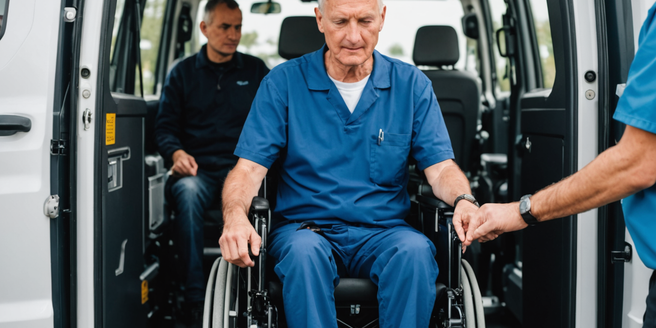
Nonemergency medical transportation (NEMT) provides safe, reliable rides for patients who need to travel to medical appointments but do not require emergency services. Unlike ambulances, NEMT vehicles are equipped for patients with mobility challenges, chronic conditions, or those recovering from procedures. These services cater to individuals who cannot drive themselves or lack reliable transportation options. NEMT drivers receive specialized training in patient safety and compassionate care. The vehicles are wheelchair-accessible and staffed with trained personnel who understand medical needs. This service bridges the gap between urgent care and personal transportation, ensuring patients reach vital appointments on time. NEMT is particularly valuable for elderly patients, those with disabilities, and individuals undergoing treatment. By removing transportation barriers, NEMT helps patients maintain consistent medical care and improve health outcomes. Insurance coverage often includes these services when medically necessary.
When You Might Need Nonemergency Medical Transportation
Nonemergency medical transportation becomes essential in various situations where standard transportation proves impractical or unsafe. Patients recovering from surgery often lack the physical capability to drive independently. Those with chronic conditions like dialysis requirements need reliable, scheduled transportation to regular treatments. Elderly individuals with mobility limitations benefit from accessible vehicles and trained assistance. Cancer patients undergoing chemotherapy or radiation may experience fatigue and side effects preventing safe driving. People with disabilities, including mobility impairments or cognitive conditions, require specialized transportation services. Post-hospitalization transitions often necessitate medical transportation during recovery periods. Patients attending multiple specialist appointments throughout the week appreciate coordinated scheduling. Those without personal vehicles or family support systems depend on NEMT services. Additionally, individuals taking medications affecting alertness or coordination should avoid driving. NEMT ensures vulnerable patients reach critical appointments safely and comfortably.
How to Access and Schedule Your Ride
Accessing nonemergency medical transportation involves several straightforward steps. Begin by confirming your insurance coverage includes NEMT benefits or researching local programs. Contact your healthcare provider’s office, as they often coordinate transportation arrangements directly. Many insurers maintain dedicated NEMT provider networks with simple scheduling processes. Call the transportation service’s dispatch line with your appointment details, including date, time, and location. Provide mobility assistance requirements and any special medical equipment needs. Most services require advance notice, typically twenty-four to forty-eight hours. Online platforms and mobile apps now enable convenient booking for tech-savvy users. Arrive at your pickup location several minutes early to ensure smooth departure. Confirm your appointment the day before as a courtesy reminder. Ask about cancellation policies and backup options. Clear communication with your provider ensures reliable service and reduces appointment delays.
Insurance Coverage and Payment Options
Insurance coverage for nonemergency medical transportation varies significantly between providers and plans. Medicare typically covers NEMT for eligible beneficiaries traveling to medically necessary appointments. Medicaid programs in most states include NEMT as a covered benefit for qualified individuals. Private insurance plans may offer limited coverage or require prior authorization. Veterans often access NEMT through VA medical centers and partner organizations. Uninsured patients can explore state and local programs offering subsidized transportation services. Some nonprofit organizations provide free or reduced-cost medical rides for underserved populations. Out-of-pocket costs depend on distance, service level, and local rates. Many providers offer payment plans for uninsured patients. Always verify coverage details before scheduling to avoid unexpected expenses. Documentation of medical necessity supports insurance claims and approval. Ask about copay requirements or deductible applicability. Understanding your specific coverage prevents billing surprises and ensures timely reimbursement.
Tips for a Smooth and Comfortable Transportation Experience
Ensuring a positive NEMT experience requires preparation and clear communication. Confirm all appointment details and transportation arrangements one day in advance. Prepare your medical information, insurance cards, and identification documents beforehand. Notify the service of any mobility aids, walkers, wheelchairs, or special equipment you require. Wear comfortable, weather-appropriate clothing and consider temperature preferences inside the vehicle. Request assistance from drivers when boarding or exiting if needed. Communicate any medical concerns or discomfort during the ride. Plan medication timing around transportation schedules for consistency. Stay hydrated and maintain bathroom access before traveling. Bring necessary medical documents your healthcare provider requires. Arrange compatible pickup and dropoff locations to minimize walk distances. Build travel time into your schedule, accounting for traffic and pickup variations. Maintain courtesy and punctuality to establish positive relationships with drivers. Provide feedback about your experience to improve services for future patients.