Wic Food Package Details
Introduction to WIC Food Packages
The WIC (Women, Infants, and Children) program is a vital public assistance initiative that provides nutritious food packages to low-income pregnant women, breastfeeding mothers, and young children. These food packages are carefully designed to supply essential nutrients that support a healthy pregnancy and early childhood development. Products often include a selection of dairy, whole grains, fruits, vegetables, and proteins. Additionally, WIC partners with local health departments and community organizations to reach more families in need. The aim is to improve health outcomes for both mothers and their children by ensuring access to nutritious and varied diets. By educating participants about nutrition and promoting breastfeeding, WIC serves as a comprehensive program intended to promote long-term health in vulnerable populations.
Eligibility Criteria for Receiving WIC
To be eligible for the WIC program, applicants must meet several criteria, which primarily focus on residency, income, and nutritional risk. An applicant must live in the state where they apply and have a family income at or below 185% of the U.S. poverty income guidelines. Furthermore, individuals interested in applying should gather the necessary documentation beforehand to streamline the application process. Moreover, applicants must be considered nutritionally at risk, as determined by a health professional. This risk could be due to medical or dietary factors such as anemia or inadequate dietary intake. The program targets pregnant women, new mothers, infants, and children up to the age of five. Understanding these criteria is crucial for people aiming to benefit from the support that WIC provides.
Understanding the Components of the WIC Package
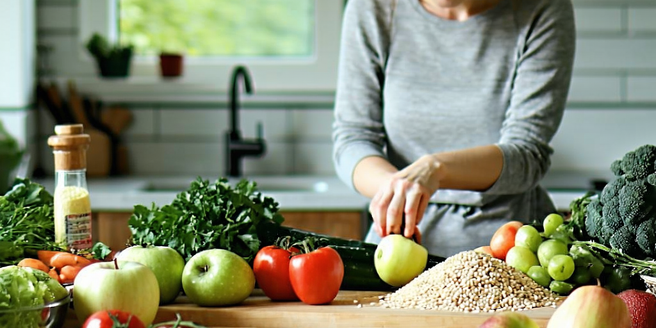
Each WIC food package is a well-balanced selection of food items intended to address the specific nutritional needs of its participants. Designed by the USDA, these packages typically include a variety of nutritious foods like milk, eggs, beans, cereals, whole grains, and a generous assortment of fruits and vegetables. The inclusion of these items helps to ensure a balanced diet. To enhance the program’s effectiveness, efforts are made to respond to changing dietary needs and preferences. The aim is to provide vital nutrients that support the health and growth of mothers and young children. The package components are periodically reviewed and updated to reflect the latest nutritional guidelines. Understanding these components is key for WIC participants to maximize their health benefits.
How to Redeem Your WIC Benefits
Redeeming your WIC benefits is a straightforward process, designed to help you access nutritious foods with ease. Typically, participants receive a WIC card or checks, which they can use to purchase eligible food items at participating retailers. To maximize your benefits, make sure to plan your shopping trips around store restocking schedules. Identifying WIC-approved foods involves looking for shelf tags or consulting the store’s WIC food list. It’s important to familiarize yourself with the specific items eligible under the program. Participants need to present their WIC card or checks at checkout to process their purchase. Many states have moved towards Electronic Benefits Transfer (EBT) systems, simplifying the redemption process. Understanding how to use these tools ensures that you make full use of your WIC benefits.
Tips for Making the Most of Your WIC Package
Effectively utilizing your WIC package can greatly enhance your nutritional intake, allowing you to get the most out of the program. Organ planning is crucial; plan your meals around WIC-provided foods to ensure nothing is wasted. Make sure to regularly review and update your plan according to any changes in your household’s eating habits. Familiarize yourself with the eligible foods list to fully utilize your benefits. Attend nutritional counseling sessions often offered by WIC, which offer great advice on healthy eating habits. Finally, leverage community resources such as cooking classes or support groups where you can share tips and recipes with others utilizing WIC. By staying organized and informed, you can make the most of the benefits provided.