WIC Nutrition Benefits for Pregnant Women
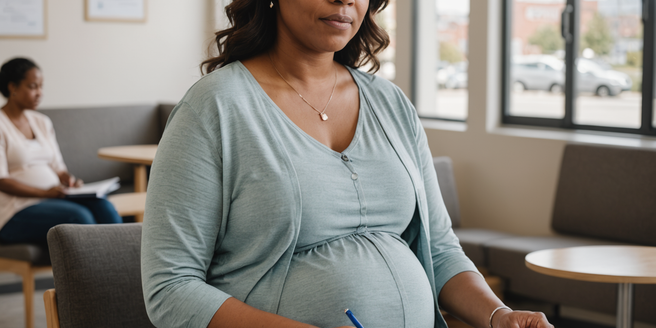
Understanding WIC Eligibility and Enrollment Requirements
The Women, Infants, and Children (WIC) program provides nutrition support to eligible pregnant women and new mothers. To qualify, applicants must meet income guidelines, typically at or below 185% of the federal poverty level. Residency requirements vary by state, and U.S. citizenship or eligible immigrant status is required. Pregnant women can apply at any point during pregnancy through local WIC offices. Documentation needed includes proof of income, residency, and medical verification of pregnancy. The enrollment process is straightforward and designed to be accessible. Many women qualify who don’t realize it, so checking eligibility is worthwhile. Once approved, benefits begin immediately, supporting nutritional needs throughout pregnancy and postpartum periods for both mother and baby.
Essential Nutrients and Food Groups Covered by WIC
WIC provides vouchers or electronic benefits for nutrient-dense foods crucial during pregnancy. Covered items include milk, cheese, yogurt for calcium and protein, whole grains for fiber and B vitamins, eggs as complete protein sources, beans and legumes for iron and folate, peanut butter for healthy fats, fruits and vegetables rich in vitamins and minerals, and fortified cereals. These foods address key pregnancy nutrients like iron, calcium, protein, and folic acid. WIC also covers breastfeeding support and infant formula when needed. The program emphasizes whole foods over processed options, promoting healthy eating habits. Pregnant women receive approximately 30-35 dollars monthly in food benefits. These carefully selected foods support fetal development, prevent complications, and establish healthy nutrition patterns that continue postpartum.
How WIC Supports Healthy Pregnancy Weight Gain
Healthy weight gain during pregnancy is essential for fetal development and maternal health. WIC supports appropriate weight gain through nutrient-dense, portion-controlled foods. The program emphasizes lean proteins, whole grains, fruits, and vegetables that provide necessary calories without excessive fat or sugar. Registered dietitians and nutritionists work with WIC participants, offering personalized guidance based on pre-pregnancy weight and individual needs. Most pregnant women should gain 25-35 pounds, with variations based on starting BMI. WIC foods naturally support this goal by promoting satiety without excess calories. Educational sessions teach pregnant women about proper nutrition, balanced meals, and physical activity. By providing access to quality foods and professional nutrition counseling, WIC helps participants achieve optimal weight gain that benefits both mother and developing baby.
Managing Gestational Diabetes and Hypertension with WIC Foods
Pregnant women with gestational diabetes or hypertension face specific nutritional challenges. WIC addresses these conditions through carefully selected foods that help manage blood sugar and blood pressure. Low-sodium options, high-fiber foods, lean proteins, and fresh produce form the foundation of WIC benefits for these conditions. Whole grains help stabilize blood glucose levels, while calcium-rich dairy supports healthy blood pressure. WIC dietitians provide specialized counseling for managing these conditions through nutrition. Foods included support stable energy levels and prevent complications. Low-sugar options and portion guidance help gestational diabetes management. Fresh fruits and vegetables, limited sodium products, and lean proteins support hypertension control. WIC participants with these conditions receive additional nutrition education and monitoring. This comprehensive approach reduces pregnancy complications and improves outcomes for both mother and baby.
Preparing for Postpartum Nutrition with WIC Benefits
Postpartum nutrition is critical for recovery and breastfeeding success. WIC benefits extend into the postpartum period, supporting maternal healing and milk production. Nursing mothers receive enhanced food benefits, including additional protein, calcium, and calorie-dense foods. WIC provides continued access to nutrient-rich foods that replenish maternal stores depleted during pregnancy and birth. Breastfeeding support services, including lactation consultants, help maximize nursing success. WIC foods address postpartum needs like iron for blood loss recovery and calcium for bone health. The program covers six months postpartum for non-breastfeeding mothers and up to one year for breastfeeding mothers. Continued nutrition education helps establish healthy habits benefiting long-term family health. WIC recognizes the postpartum period as critical for maternal recovery and infant nutrition, providing comprehensive support throughout this transition.