Rural Benefits Program Information
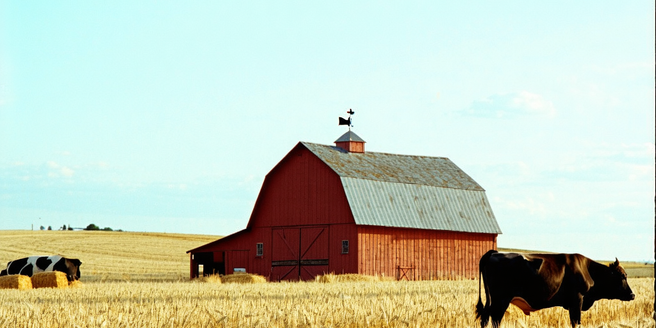
Understanding the Rural Benefits Program Overview
The Rural Benefits Program is designed to support individuals and families living in rural areas by providing financial assistance, healthcare access, and educational opportunities. This program aims to bridge the gap between urban and rural resources, ensuring equitable access to essential services. Participants can benefit from housing subsidies, agricultural grants, and job training initiatives. By enhancing infrastructure, the program also seeks to improve connectivity in remote areas, fostering economic growth and community development. The government’s commitment to rural upliftment is evident through sustained funding and partnerships with local organizations. Understanding the nuances and scope of this initiative can empower rural residents to leverage available resources effectively, leading to improved living standards and economic resilience.
Eligibility Criteria for Rural Residents
To qualify for the Rural Benefits Program, applicants must fulfill certain eligibility criteria, primarily based on geographic location. The primary requirement is residency in a designated rural area, as defined by population size and density metrics. Additionally, applicants might need to demonstrate financial need or participation in specific sectors such as agriculture or small-scale industries. Some benefits may target particular demographics, including senior citizens, veterans, or families with young children. Documentation validating residency, income levels, and employment status may be required as part of the application process. It’s crucial for potential beneficiaries to review these criteria carefully to ensure they meet the necessary qualifications, thereby maximizing their chances of successfully enrolling in the program and receiving the intended support.
How to Apply for Rural Benefits
Applying for the Rural Benefits Program involves several steps, beginning with obtaining the required application forms from either an online portal or a local government office. Prospective applicants should gather supporting documents such as proof of residence, income statements, and identification. Once the application form is completed and all documents are ready, individuals can submit their applications either electronically or in-person, depending on their preference and available facilities. It is advisable to double-check all information provided to prevent any delays in the processing of applications. After submission, the application undergoes a review process to verify eligibility, followed by a notification of approval or denial. Understanding this procedure thoroughly can assist applicants in navigating the system efficiently, reducing the risk of errors and facilitating quicker access to benefits.
Types of Assistance Available in Rural Areas
The Rural Benefits Program offers various forms of assistance tailor-made to meet the diverse needs of rural communities. Key types of support include agricultural subsidies that aid farmers in purchasing equipment and seeds, ensuring more sustainable and productive farming practices. Additionally, healthcare subsidies aim to improve access to medical services, ranging from primary care to specialized treatments. Educational grants and scholarships are provided to promote higher education among rural youth, addressing barriers to learning. Infrastructure development projects also play a significant role, focusing on enhancing transportation and connectivity. Each assistance type serves to address specific challenges faced by rural residents, contributing to overall economic growth and improved quality of life. Access to these resources enables communities to thrive despite geographic and economic challenges.
Success Stories from Beneficiaries
Success stories from the Rural Benefits Program highlight the transformative impact of these initiatives on individuals and communities. One compelling success story features a family who, through housing grants, was able to renovate their home, thereby enhancing their living conditions and stability. Another tale of triumph involves a young entrepreneur who utilized a small business grant to launch an innovative agricultural startup, creating jobs and boosting the local economy. Educational grants have enabled countless students to pursue higher education, leading to better job prospects and personal growth. These stories serve as powerful testimonials to the program’s effectiveness, inspiring others to apply and demonstrating the true potential of targeted rural assistance. By sharing these achievements, the program encourages broader participation and underscores the impact of its initiatives on community advancement.
Frequently Asked Questions about Rural Benefits
Many have questions regarding the Rural Benefits Program, and understanding these queries can provide clarity for potential applicants. Common questions include inquiries about eligibility criteria, required documentation, and application deadlines. Some individuals seek information about the range of benefits offered and whether they can apply for multiple types of assistance simultaneously. Others are curious about the timeline for receiving benefits once applications are approved. Providing detailed responses to these frequently asked questions can demystify the process and encourage more individuals to participate in the program. It’s important for applicants to stay informed about any changes or updates to the program, ensuring they have the most current information while navigating their application journey efficiently and effectively.