Rural Development Grants
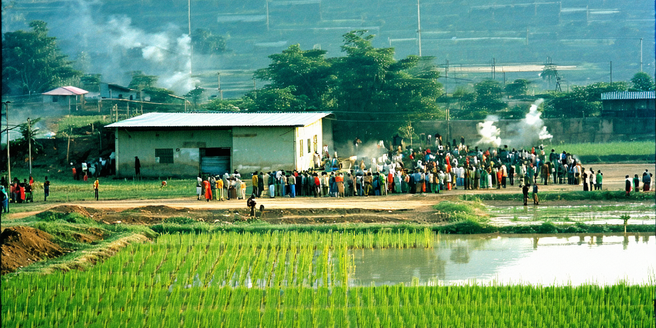
Understanding Rural Development Grants
Rural development grants are vital for fostering economic growth and community well-being in less urban areas. These grants, often supported by government initiatives, aim to address various challenges such as infrastructure deficiencies, lack of service accessibility, and economic stagnation. By offering financial assistance, these grants enable local entities to implement projects that can lead to job creation, improved public utilities, and better quality of life. Understanding these grants involves knowing their objectives, sources, and how they fit into broader economic policies. Stakeholders, including local governments, nonprofits, and community organizations, need to collaborate effectively to maximize the impact of such grants. Through strategic planning and stakeholder engagement, rural development grants can significantly contribute to sustainable development and resilience in rural communities.
Eligibility Criteria for Applicants
To qualify for rural development grants, applicants must meet specific criteria set by the grant providers. Typically, eligibility focuses on geographic location, with a preference for areas classified as rural by government standards. Applicants might include local governments, nonprofit organizations, or small businesses demonstrating a commitment to community development. It is essential to show a clear project plan that aligns with the grant’s objectives, such as economic development, infrastructure improvement, or social services expansion. Financial stability and the ability to manage funds effectively are often prerequisites, ensuring that the grant money is utilized correctly. Understanding these criteria is crucial for potential applicants to prepare competitive proposals that enhance their chances of securing funding and contribute to the sustainable growth of their rural communities.
Types of Available Grants
Various types of rural development grants are available, each catering to different needs and goals. Infrastructure grants focus on building or upgrading essential services like roads, water supply, and telecommunications, crucial for community expansion. Agricultural grants support farming advancements, promoting innovation and sustainability in food production. Environmental grants aim at conservation efforts and renewable energy projects, addressing climate change impacts. Additionally, economic development grants encourage the establishment of small businesses and job creation, essential for local economies. Social services grants support health, education, and housing projects, improving living standards. Understanding the types of grants available helps applicants to target their proposals effectively and maximize their chances of funding success, ultimately aiding the holistic development of rural regions.
Application Process Overview
The application process for rural development grants is a structured procedure requiring attention to detail and thorough preparation. It usually begins with identifying a relevant grant opportunity that aligns with the applicant’s project goals. Next, potential applicants should review the grant guidelines to understand eligibility criteria, submission deadlines, and necessary documentation. Developing a comprehensive project proposal is crucial, including clear objectives, budget plans, and expected outcomes. Collaboration with local authorities or partners may strengthen the application. Once submitted, the proposal undergoes evaluation by grant committees, focusing on feasibility, impact, and sustainability. Successful applicants are notified, leading to the finalization of agreements and fund disbursement. Understanding this process helps applicants to navigate complexities efficiently and improve their likelihood of securing funding for vital rural development initiatives.
Key Benefits for Rural Communities
Rural development grants offer significant benefits to rural communities, fostering growth and resilience. They provide essential financial resources for infrastructure improvement, such as roads and communication networks, which are critical for connecting rural areas to broader markets and services. Grants also support local economic development by funding projects that create jobs and boost small businesses. In addition, they improve access to quality education and healthcare services, enhancing community well-being. Environmental grants promote sustainability, helping rural areas manage natural resources effectively and combat climate change impacts. By empowering local governments and organizations, these grants contribute to the social and economic upliftment of rural regions, fostering equitable development and reducing disparities between urban and rural areas.
Success Stories and Case Studies
Success stories and case studies highlight the transformative impact of rural development grants. For example, a small-town community used grant funds to revitalize its main street, attracting new businesses and creating jobs, thus boosting the local economy. Another case saw a farming cooperative leverage grants to implement sustainable agricultural practices, improving yields and resilience to climate variability. In another scenario, a rural health clinic expanded its services through grant support, drastically improving healthcare access for surrounding populations. Such stories showcase the diverse applications and positive outcomes of grant funding, offering inspiration and practical insights to potential applicants. They underline the importance of strategic planning, community involvement, and innovation in maximizing the benefits of rural development grants, paving the way for sustained regional growth.
Challenges and Common Pitfalls
Securing rural development grants often comes with its challenges and common pitfalls. One significant challenge is meeting eligibility criteria, particularly for small organizations with limited resources for preparing comprehensive proposals. Navigating the application process can be daunting, with potential pitfalls such as missing deadlines, incomplete documentation, or poorly articulated project plans leading to disqualification. Once awarded, managing and utilizing grant funds effectively poses another challenge, requiring adequate financial oversight and reporting mechanisms. Additionally, aligning the project with community needs and ensuring sustainable impact can be complex. Understanding these challenges allows applicants to plan proactively, seeking assistance where necessary, and adopting best practices to avoid common pitfalls, thereby increasing their chances of successful grant acquisition and project execution.
Tips for a Successful Grant Application
Successful grant applications require strategic planning and attention to detail. First, thoroughly research and identify grants that align with your project goals. Tailor your application to the specific requirements of each grant program, ensuring you comprehensively address eligibility criteria. Develop a clear and compelling project narrative that outlines the problem, proposed solution, expected impact, and plans for sustainability. Include a detailed and realistic budget that demonstrates financial feasibility. Engage local partners and stakeholders to strengthen your proposal’s credibility and potential for community support. Proofread your application to ensure clarity and correctness, and submit all required documents well before the deadline. By incorporating these tips, applicants can enhance their chances of securing funding and successfully implementing their rural development projects.
Impact on Local Economies
Rural development grants have a profound impact on local economies, acting as catalysts for economic growth and revitalization. By providing essential funding for infrastructure projects, these grants improve connectivity and accessibility, attracting new businesses and investments. They support small businesses through financial assistance, helping them expand operations, create jobs, and stimulate economic activity. Grants for agricultural projects enhance productivity and sustainability, contributing to the food security and economic stability of rural regions. Moreover, investments in education and healthcare through grants boost workforce development and community well-being, essential for long-term economic success. The ripple effects of such economic advancements reach beyond individual communities, contributing to regional and national prosperity and fostering more equitable economic distribution across urban and rural landscapes.
Future Trends in Rural Development Funding
Future trends in rural development funding indicate a shift towards more sustainable and innovative approaches. There is a growing emphasis on green and renewable energy projects, aligning with global efforts to combat climate change. Technology integration in agriculture and infrastructure, such as smart farming and digitally connected services, is expected to receive increased funding. Additionally, there is a trend towards community-led initiatives, where local stakeholders play a more active role in project planning and execution, ensuring that funded projects meet genuine community needs. Collaborative funding models, including public-private partnerships, are becoming more prevalent, leveraging diverse resources for greater impact. Understanding these trends will help applicants align their proposals with future funding priorities and enhance their competitiveness in securing grants for rural development.