Section 8 And Green Housing Initiatives
Understanding Section 8: A Brief Overview
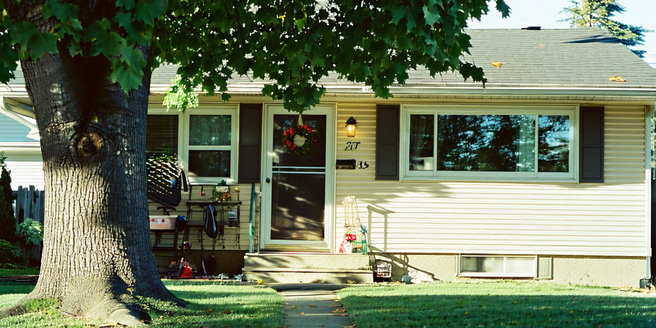
Section 8 is a federal program that provides housing vouchers to low-income individuals and families, helping them access affordable housing in the private market. Participants pay 30% of their adjusted gross income towards rent, with the voucher covering the remainder. The program aims to offer housing stability and counteract the effects of economic disadvantage. While it is a vital resource, misconceptions surround its implementation, eligibility criteria, and impact on communities. Understanding this program is crucial for appreciating its role in enhancing quality of life for vulnerable populations and addressing disparities in access to affordable housing. Navigating the complexities of Section 8 requires awareness of its eligibility requirements and the benefits it proffers, ultimately playing a fundamental role in housing equity.
The Intersection of Section 8 and Green Housing
Integrating green housing initiatives with Section 8 offers a promising opportunity to enhance the well-being of low-income families while reducing environmental impact. Green housing focuses on sustainable building practices, energy efficiency, and improved indoor air quality, benefitting both residents and the planet. The partnership between Section 8 and green housing can lead to lower utility costs, healthier living environments, and long-term energy savings for residents. Implementing green initiatives within Section 8 provides a model for future sustainable urban development and addresses environmental justice by ensuring disadvantaged communities are not left out of the green transition. This intersection forms a critical part of reshaping public housing policies to prioritize sustainability.
Benefits of Green Housing for Section 8 Participants
Green housing initiatives within Section 8 programs offer multiple benefits that enhance the living conditions of participating families. Energy-efficient appliances, improved insulation, and sustainable building materials contribute to reduced energy bills, providing financial relief for low-income families. Additionally, green housing promotes healthier indoor air quality, reducing risks associated with respiratory illnesses and ensuring a safer living environment. As Section 8 residents often face economic challenges, these improvements significantly impact their quality of life. Furthermore, sustainable living practices contribute to environmental conservation efforts, fostering a sense of community responsibility. Overall, the integration of green initiatives helps ensure equitable access to economic and environmental benefits.
Challenges in Implementing Green Initiatives in Affordable Housing
Implementing green initiatives in affordable housing faces several challenges, key among them being the higher upfront costs associated with sustainable building practices. Budget constraints often limit the adoption of innovative green technologies and materials, making it imperative to find cost-effective solutions. Additionally, there is a need for increased awareness and education among stakeholders regarding the long-term benefits of green housing. Navigating regulatory requirements and securing sufficient funding pose further hurdles. Despite these challenges, collaborative efforts between government agencies, non-profits, and private investors can help overcome barriers. Incentive programs and partnerships are crucial in facilitating green transformations in affordable housing, ensuring Section 8 participants benefit from eco-friendly living conditions.
Case Studies: Successful Green Housing Projects in Section 8
Numerous successful green housing projects within Section 8 showcase the potential for sustainable transformations in affordable housing. For instance, the Olivewood Apartments in California achieved LEED certification by integrating solar panels, water-efficient fixtures, and energy-efficient appliances for its Section 8 residents. This project not only reduced utility costs but also enhanced residents’ quality of life. Similarly, the Green Bridge project in Washington, D.C., combined affordability with eco-friendly features like a green roof and high-performance insulation. These case studies exemplify how collaboration among stakeholders can yield environmentally conscious solutions, benefiting both Section 8 communities and the planet. They serve as models for expanding green initiatives across the housing spectrum.
Future Prospects: Scaling Green Initiatives within Section 8 Housing
As the demand for sustainable living grows, scaling green initiatives within Section 8 housing has become increasingly relevant. The future prospects for this integration depend on increased investment, technological advancements, and policy reform. Encouraging partnerships between public and private entities can drive innovation and cost reductions, making green solutions accessible to low-income communities. Additionally, enhancing training programs for residents and property managers ensures efficient utilization of green technologies. Policy makers play a crucial role by incentivizing sustainable practices through updated building codes and regulatory frameworks. Emphasizing scalability ensures that the benefits of eco-friendly living extend to all sectors of public housing, addressing environmental justice and promoting inclusivity.