Understanding Section 8 Housing Inspections
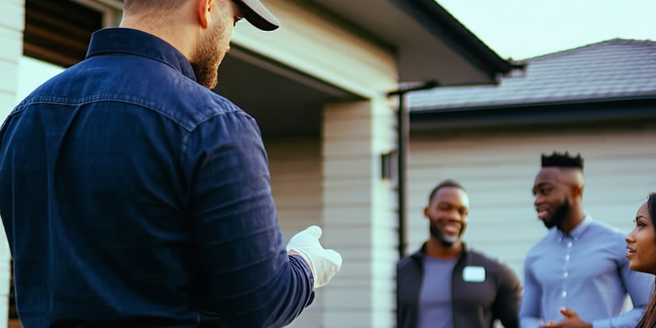
Introduction to Section 8 Housing Inspections
Section 8 housing inspections are crucial for ensuring that rental properties meet the standards set by the Housing Choice Voucher Program. These inspections aim to safeguard the health and safety of tenants, while also ensuring landlords maintain their properties. During an inspection, a qualified inspector will examine various aspects of the property including electrical systems, plumbing, heating, and overall cleanliness. Understanding this process is essential for both landlords and tenants, as it ensures compliance with federal regulations and helps identify any areas requiring repairs or improvements. For tenants, passing the inspection means a safe and healthy living environment, while landlords benefit by retaining eligible tenants and continuing to receive rental assistance payments. Both parties should be familiar with the inspection criteria and prepare accordingly to facilitate a successful inspection outcome.
Key Components of the Inspection Process
The Section 8 housing inspection process involves several key components that both landlords and tenants should be aware of. First, the inspector will assess the general condition of the property, checking for structural integrity and proper maintenance of essential systems like plumbing, heating, and electrical. Safety is emphasized, so smoke detectors, carbon monoxide detectors, and emergency exits are a primary focus. Inspectors also verify that each room meets space and habitability standards, including ventilation and natural light requirements. Cleanliness and sanitation are evaluated, with emphasis on pest control and adequate waste disposal. Additionally, the exterior of the property is examined for hazards such as damaged steps or railings. Understanding these components helps landlords prepare the unit to meet inspection standards and ensures tenants are provided with a secure and livable home.
Preparation Tips for Landlords and Tenants
Proper preparation can make a significant difference in the outcome of a Section 8 housing inspection. Landlords should begin by thoroughly inspecting their property, addressing any safety and maintenance issues before the official inspection. Installing or testing smoke and carbon monoxide detectors ensures compliance with safety standards. It’s also advisable to ensure all utilities are functioning correctly, such as plumbing fixtures, electrical systems, and HVAC units. Tenants play a role in maintaining cleanliness and removing personal items that may obstruct inspections. Regular pest control and waste management help in presenting a well-kept property. Communication between landlords and tenants is critical, so any identified concerns are addressed promptly. Taking these steps not only aids in passing the inspection but also fosters a cooperative relationship between landlords and tenants, contributing to the property’s longevity.
Common Inspection Violations and How to Avoid Them
Common violations found during Section 8 inspections often relate to inadequate safety measures, poor maintenance, and health hazards. Missing or non-functional smoke and carbon monoxide detectors can lead to automatic failure of the inspection. Faulty electrical systems, such as exposed wiring or non-functional outlets, are significant concerns. Plumbing issues, including leaky pipes or inadequate water pressure, must be addressed. Structural defects like broken windows or damaged flooring can also result in violations. To avoid these issues, it’s advisable for landlords to regularly inspect and maintain their properties, addressing any potential problems beforehand. Tenants should report maintenance issues promptly to ensure they are resolved before the inspection date. Being proactive and adhering to housing standards reduces the likelihood of violations, ensuring a smooth inspection process and continued participation in the Section 8 program.
Post-Inspection Steps and Follow-Up Actions
After a Section 8 inspection, there are crucial steps that landlords and tenants must take regardless of the outcome. If the property passes, both parties should be informed promptly, and the landlord should prepare for the next scheduled inspection. In cases where corrective actions are required, landlords receive a detailed list of deficiencies needing attention. It’s important to prioritize these repairs within the given timeframe to retain eligibility for the program. Tenants may need to accommodate repair schedules or temporary changes in living conditions. Following corrections, a re-inspection is typically mandated to verify compliance. Keeping thorough records of communication and repairs is essential. Effective follow-up actions not only secure continued housing assistance but also uphold the safety and integrity of the housing environment for tenants.