Section 8 Housing Quality Standards
Introduction to Housing Quality Standards
Housing Quality Standards (HQS) are essential for ensuring that properties meet minimum health and safety requirements for occupancy. These standards help to protect tenants by ensuring the habitability of homes under the Section 8 Housing Choice Voucher Program. The HQS guidelines mandate regular inspections, detailing specific conditions that properties must meet. Routine inspections are crucial in identifying and rectifying any issues that may compromise tenant safety. This includes everything from structural safety to functional plumbing and electricity. By maintaining these standards, landlords contribute to the overall well-being of the communities they serve. The aim is to ensure tenants have access to decent, safe, and sanitary housing while also preserving the condition of properties nationwide. Property owners must comply with these standards to participate in the program, fostering trust between landlords and tenants while providing insight into property management expectations.
Inspection Process Overview
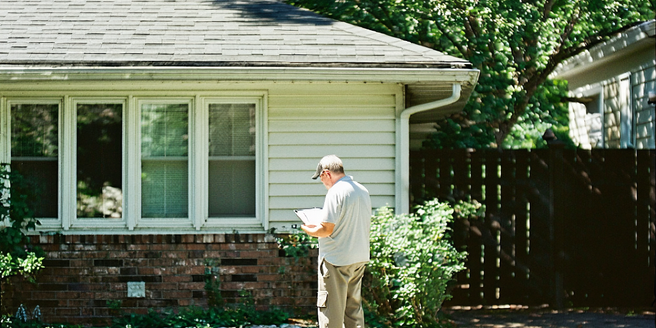
The inspection process for Housing Quality Standards is designed to evaluate whether rental properties meet specific criteria required under the Section 8 program. Typically, inspections are conducted by qualified professionals who examine various aspects of the property—from structural integrity to the functionality of essential systems like plumbing and electricity. These professionals are thoroughly trained to identify any potential issues that could compromise the safety or quality of the housing. Inspections are usually scheduled annually, but initial and follow-up inspections may also be necessary depending on changes to the property or tenant concerns. During an inspection, any deficiencies found must be addressed within a specified timeframe to maintain eligibility in the program. This systematic approach helps ensure that properties provide a safe, efficient, and healthy living environment while maintaining accountability among property owners.
Criteria for Health and Safety
Health and safety criteria under Housing Quality Standards focus on ensuring rental units are free from hazards that could pose risks to tenants. This involves assessment of multiple factors within the property, such as cleanliness, absence of hazardous materials (like lead-based paint), and the presence of working smoke detectors. Inspectors also verify that the property does not exhibit pest infestations, ensuring a hygienic living environment. Additionally, ensuring adequate lighting and ventilation is an essential part of creating a safe and comfortable home. Moreover, sanitary facilities such as bathrooms must be in operable condition, easily accessible, and promote adequate privacy. By focusing on these health and safety criteria, the HQS helps establish minimum thresholds for living conditions, safeguarding tenant welfare while promoting an atmosphere conducive to health and wellbeing.
Structural Integrity Requirements
Structural integrity is a critical component of Housing Quality Standards, as it ensures that buildings provide safe and reliable shelter for tenants. Properties undergoing HQS inspections are evaluated on their overall structural health, foundation stability, and weather-resistance capabilities. Regular inspections also help identify potential issues before they become major problems. Walls, roofs, and floors are inspected to ensure there are no structural vulnerabilities or damage that could compromise the safety of occupants. Furthermore, inspectors are trained to recognize even subtle signs of structural deterioration, which can be addressed promptly. Additionally, properties must adhere to local building codes concerning construction materials and design. Ensuring structural integrity is particularly important in preventing collapses or significant damage, thereby safeguarding the inhabitants and reducing long-term repair costs. Adequate structural maintenance thus supports the longevity and safety of residential properties in the program.
Heating and Ventilation Standards
Heating and ventilation are vital elements within HQS that contribute to a comfortable and healthy indoor environment. Under these standards, properties must have compliant heating systems that provide sufficient warmth during cold months, with emphasis on safe and operable equipment. Regular inspections are necessary to catch and rectify any potential issues early. Proper maintenance of these systems is crucial to ensure their effectiveness. Ventilation, both natural and mechanical, is equally prioritized to ensure the circulation of fresh air and control of humidity levels, thus reducing the risk of mold growth. Windows and exhaust fans in key areas like the kitchen and bathroom are evaluated for functionality. Adhering to heating and ventilation standards protects tenants from health issues related to poor air quality and exposure to extreme indoor temperatures, contributing to a more habitable living space.
Plumbing and Water Supply Guidelines
For properties to comply with Housing Quality Standards, the plumbing and water supply systems must be fully functional and reliable. Regular maintenance and prompt repairs are crucial to prevent minor issues from escalating into major problems. This requires that all units have access to potable water, adequate pressure, and functioning toilets, sinks, and bathtubs. Inspectors check for any signs of leaks, clogs, or water damage that could indicate underlying issues. In addition, hot water systems must be operational, providing necessary water heating for hygiene and comfort. The plumbing system must adhere to local building codes, ensuring it can safely sustain tenant usage without risk of contamination or service disruption. By following these guidelines, properties ensure tenants have access to essential utilities, maintaining sanitary and convenient conditions.
Electrical System Compliance
Electrical system compliance is a fundamental aspect of the HQS, ensuring rental units are free from electrical hazards that could endanger occupants. During inspections, professionals meticulously check to ensure each guideline is met. The inspection process involves verifying that all electrical installations, outlets, and fixtures are up to code and in proper working order. It is essential that inspectors receive regular training to stay updated on the latest safety codes and standards. Properties must have sufficient outlets for tenant needs, while wiring and circuit breakers should prevent overloading and reduce the risk of electrical fires. Ground fault circuit interrupters (GFCIs) may be required in damp areas, such as kitchens and bathrooms, to prevent electric shock. Adhering to these electrical standards is crucial for safeguarding tenants’ safety and reducing potential liability for property owners.
Space and Security Measures
Housing Quality Standards emphasize the need for adequate space and security within rental properties to promote a safe and comfortable living environment. Requirements include provisions for sufficient living space, with appropriate room sizes and configurations to accommodate intended occupancy. Additionally, regulations may stipulate that communal areas, such as hallways and entrances, are kept free from obstructions. Consequently, routine inspections play a crucial role in ensuring compliance with these standards. Moreover, properties must have secure doors and windows with effective locks to ensure tenant safety. Exterior lighting and functional security systems may also be evaluated, particularly in high-risk areas. Adherence to these standards helps prevent unauthorized access and enhances the overall sense of security for tenants, creating a stable and reassuring residential atmosphere conducive to tenant welfare.
Common Issues and Solutions
While navigating Housing Quality Standards, property owners may encounter common issues that require solutions to maintain compliance. These can range from minor repairs, like fixing leaky faucets or replacing faulty smoke detectors, to more significant challenges involving electrical or structural upgrades. Additionally, scheduling routine inspections can help in early detection of potential compliance issues. It is important to prioritize these inspections to catch problems before they become severe. Regular maintenance and prompt repairs are essential in preventing these issues from escalating into costly violations. Staying informed about evolving standards and frequently reviewing property conditions can help mitigate these challenges. Consider seeking professional guidance or consulting with housing authorities to address persistent issues effectively. Proactive measures ensure continued compliance, tenant satisfaction, and protect property value within the Section 8 program.