Section 8 Reasonable Accommodation Requests Explained
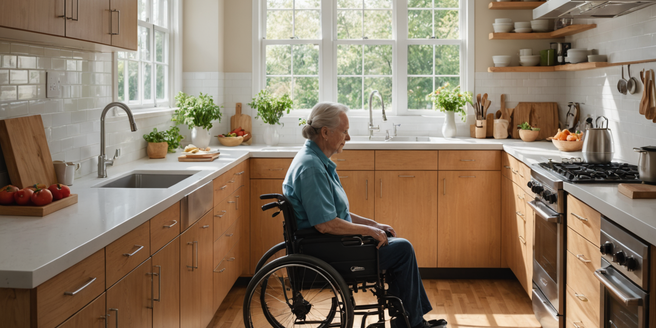
Understanding the Basics of Section 8 Reasonable Accommodations
Section 8 reasonable accommodations are modifications to rules, policies, practices, or services that enable individuals with disabilities to have equal access to housing. These accommodations are not special favors but legal requirements under the Fair Housing Act. They recognize that people with disabilities may need adjustments to fully utilize and enjoy their housing. Common examples include allowing service animals, permitting modifications to units, or adjusting lease terms. Housing authorities must provide reasonable accommodations unless doing so creates an undue financial or administrative burden. Understanding your rights is crucial when navigating the Section 8 program. Tenants should know that requests should be made in writing whenever possible, creating documentation of the interaction. The process is designed to be collaborative between tenants and housing authorities.
Who Qualifies for Reasonable Accommodation Requests
Any person with a disability living in Section 8 housing can request reasonable accommodations. Disabilities include physical, sensory, cognitive, and mental health conditions that substantially limit major life activities. The Fair Housing Act defines disability broadly to encompass various conditions. You do not need an official diagnosis document but should provide credible evidence of your disability and its connection to your accommodation request. Family members and live-in aides may also request accommodations on behalf of residents. Housing authorities cannot ask for medical records but can request reliable documentation from healthcare providers. The definition of disability is intentionally inclusive, protecting individuals even with invisible disabilities. Applicants should understand that qualifying is not dependent on income or other Section 8 program requirements.
Types of Accommodations Commonly Requested Under Section 8
Common reasonable accommodations include permission for service animals, which assist individuals with disabilities. Modifications to units such as installing grab bars, ramps, or lowering cabinets are frequently requested. Policy exceptions like allowing additional household members or relaxing pet restrictions benefit those with specific needs. Some tenants request accessible parking spaces or ground-floor units due to mobility limitations. Tenants may ask for modified lease terms or extended move-in periods. Communication accommodations include receiving notices in alternative formats for those with visual impairments. Assistance animals beyond service dogs, such as emotional support animals, are often requested. Noise or odor policy exceptions might be necessary for medical equipment. Housing authorities evaluate each request individually based on the connection between disability and accommodation.
The Process for Submitting a Reasonable Accommodation Request
Begin by submitting your request in writing to your housing authority, clearly stating your disability and requested accommodation. Include documentation supporting your need, such as a letter from a healthcare provider. Keep copies of all communications and requests. Housing authorities typically must respond within designated timeframes, often thirty days. Attend any meetings scheduled to discuss your request. Be prepared to explain how your disability relates to the requested accommodation. If you need assistance completing forms, accommodations officers can help. Follow up if you do not receive a response within the expected timeframe. Document all interactions and communications for your records. If denied, you have the right to appeal the decision. Understanding these procedural steps helps ensure your request receives proper consideration and timely review.
How Housing Authorities Evaluate Accommodation Requests
Housing authorities assess whether the requested accommodation is reasonable and necessary due to disability. They examine the relationship between your disability and the accommodation need. Authorities consider whether granting the request creates undue financial or administrative burden. They evaluate existing policies to determine what exceptions might be appropriate. Documentation from healthcare providers carries significant weight in evaluations. The process must be interactive, allowing dialogue between you and the authority. Authorities cannot deny requests based on cost alone if the expense is reasonable. They consider alternative accommodations that might address your needs. The evaluation respects the dignity and privacy of individuals with disabilities. Decisions should be made promptly and communicated in writing with clear explanations. Fair and thorough evaluation protects both tenant rights and housing authority responsibilities.
Common Reasons for Denial and How to Appeal
Requests may be denied if authorities determine no disability-accommodation connection exists or the request is unreasonable. Insufficient documentation is another common reason for denial. Some denials occur when authorities claim undue financial hardship. You have the right to appeal denied requests through your housing authority’s appeals process. File appeals in writing, providing additional evidence or clarification. Request a hearing where you can present your case directly. Bring documentation supporting your disability and the necessity of accommodation. Consider seeking assistance from disability rights organizations or legal aid. The appeals process should be explained clearly when your request is denied. Many successful appeals result from providing stronger documentation or alternative accommodation proposals. Understanding appeal rights ensures you can challenge unfair denials effectively.