Snap And Immigrant Eligibility
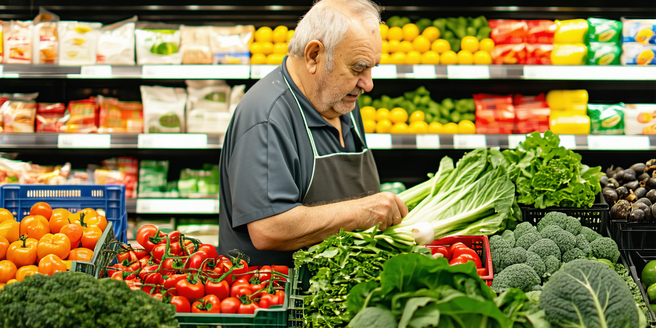
Understanding SNAP: A Brief Overview
Supplemental Nutrition Assistance Program (SNAP) is designed to help low-income individuals and families access food. Originally known as food stamps, SNAP provides financial assistance to cover the cost of groceries. Eligibility is determined based on household income, size, and specific expenses. Benefits are distributed through an Electronic Benefit Transfer (EBT) card, which functions similarly to a debit card when purchasing food at authorized retailers. The program aims to alleviate food insecurity and support nutritional needs, contributing to better public health outcomes. Administrative management falls under the USDA, with state agencies handling local operations and distribution. Recent policy discussions focus on expanding availability and improving access, particularly for underserved communities. Participation in SNAP also fosters local economies by injecting federal dollars into the purchase of everyday goods.
Eligibility Criteria for Immigrants
Eligibility criteria for immigrants applying for SNAP benefits vary based on multiple factors including immigration status, duration of stay in the U.S., and income level. Generally, lawful permanent residents, refugees, and asylees may qualify, provided they meet certain residency and income requirements. Some non-citizens may face a five-year waiting period before eligibility. In addition to federal guidelines, state-specific rules may apply, affecting access to benefits. Mixed-status households, where members have varying immigration statuses, might also encounter unique eligibility challenges. Verification processes require applicants to provide extensive documentation to establish qualification, and it is crucial to understand detailed state and federal requirements. Programs exist to offer support and guidance to immigrant families navigating SNAP applications, ensuring fair access to essential nutrition support services. Advocacy efforts continue to address barriers that impact eligibility for this vulnerable population.
Types of Immigrant Statuses Affected
Different types of immigrant statuses impact eligibility for SNAP benefits. Lawful permanent residents, commonly known as green card holders, generally become eligible after a five-year residence in the U.S. Refugees and those granted asylum are often immediately eligible, recognizing their unique circumstances and needs. Temporary residents and undocumented individuals typically are not eligible, though their U.S.-born children might be. The complex nature of immigrant status can lead to confusion and discrepancies in eligibility determination. It is imperative that applicants accurately present their status and gather the necessary documentation to support their eligibility claims. Community organizations and legal advisors often help individuals and families understand their status-related rights and options for public assistance programs like SNAP. Continuous policy changes can further influence which immigrant statuses are affected and how they can access support.
Challenges Faced by Immigrant Families
Immigrant families often face significant challenges accessing SNAP due to language barriers, fear of public charge implications, and complex eligibility criteria. Misunderstandings about status eligibility can discourage immigrant households from applying, even when they qualify. These challenges often lead to higher food insecurity among immigrant populations. Additionally, trust issues with governmental bodies may inhibit the pursuit of available benefits. Cultural differences might influence perceptions of needing assistance, impacting the rate of program participation among immigrant communities. Lack of accessible resources in multiple languages and misinformation about the impact on immigration status contribute to underutilization. Advocacy groups work to improve outreach efforts, emphasizing rights to access essential services without compromising one’s residency status. Addressing these barriers is vital to ensuring immigrant families can secure nutritional support that promotes their overall well-being and integration into society.
Current Policy Changes and Impacts
Recent policy changes have affected SNAP eligibility and benefits for immigrant families, both positively and negatively. Legislative reforms aim at expanding access and simplifying the application process, though policy debates continue to raise uncertainties. Changes in public charge rules had caused anxiety, leading some eligible immigrants to withdraw or avoid SNAP due to fears of impacting their immigration status. Efforts to reverse these effects involve clarifying guidelines and ensuring that immigrants understand their entitlements. Current administrative directions focus on refining eligibility assessment and removing unnecessary barriers while maintaining program integrity. Moreover, ongoing research evaluates how these policies influence participation rates and food security among immigrant populations. Advocates push for legislative improvements that guarantee fair access and fulfillment of nutritional needs without adverse impacts on immigration trajectories.
Application Process: A Step-by-Step Guide
The SNAP application process for immigrants involves several steps to ensure compliance with both state and federal regulations. Initially, applicants should gather relevant information, including identification, immigration status documents, and financial details. Completing the application involves detailing personal and household information, income sources, and expenses. State agencies typically offer applications online, in person, or through mail. Post-application, a scheduled interview, often requiring additional verification documents, helps clarify eligibility specifics. Throughout the process, language support services may be provided to ease communication barriers. Approval or denial notifications are generally sent within a certain timeframe, with instructions for accessing benefits if approved. Understanding this system, navigating necessary paperwork, and timely responses during application reviews significantly enhance the likelihood of successful benefit acquisition. Community resources actively offer guidance and support to applicants to streamline this essential process.
Common Myths and Misconceptions
Common myths and misconceptions persist about SNAP eligibility and participation, particularly among immigrant communities. Concerns such as losing immigration status, negatively impacting future applications for residency or citizenship, or jeopardizing family members’ statuses often discourage participation. In reality, receiving SNAP benefits does not affect one’s immigration status nor bar future citizenship applications. Another misconception is the belief that SNAP qualifications are the same across all states; however, state-specific rules can vary greatly. Misunderstandings regarding work requirements and income thresholds further contribute to misinformation. It is critical to dispel these myths through education and outreach, ensuring eligible individuals feel confident in applying without fear of repercussions. Public information campaigns and community organization efforts focus on providing accurate, accessible information to demystify SNAP and promote informed decision-making within immigrant populations.
Resources Available for Immigrant Applicants
Various resources exist to support immigrant applicants navigating SNAP, from local community centers to national advocacy groups. These organizations often provide guidance on application processes, eligibility criteria, and documentation requirements. Bilingual assistance and culturally relevant support services help bridge language and cultural gaps that endanger successful program access. Online platforms and hotlines offer applicants immediate access to information and advice, while legal aid services defend the rights of immigrants seeking assistance. Educational campaigns highlight the importance of food security and dismantling stigma associated with receiving assistance. Furthermore, partnerships with state agencies strive to ensure resources remain accurate and up-to-date, reflecting changes in policy and practice. By leveraging these resources, immigrant families can better access the nutritional support integral to their family’s health and integration into their community.
Advocacy and Community Support Efforts
Advocacy and community support play crucial roles in enhancing the SNAP eligibility and enrollment process for immigrants. Numerous organizations work tirelessly to inform policymakers about the specific challenges faced by these communities, advocating for fairer policies and eliminating systemic barriers. Grassroots initiatives often provide critical on-the-ground support, such as organizing informational workshops, facilitating access to applications, and addressing common fears regarding participation. Collaboration between local agencies, non-profits, and advocacy groups strengthens resource networks and improves outreach efforts. Community leaders act as vital liaisons, fostering trust and disseminating accurate information effectively. By raising awareness and driving policy reform, these efforts significantly contribute to breaking down obstacles that deter eligible immigrants from accessing essential food assistance. Engaged communities promote equitable access, ensuring all eligible families benefit from SNAP resources.