Military Family Support Services
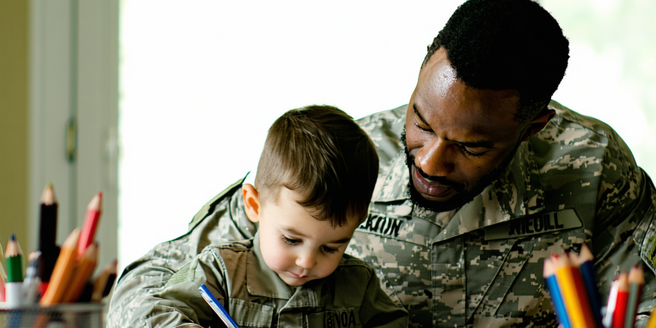
Understanding the Needs of Military Families
Military families face unique challenges due to frequent relocations and deployments. Adjusting to new environments and schools can be difficult for children, while spouses often face career disruptions. Emotional stress is another factor, as separation from a deployed family member can cause anxiety and solitude. Reliable communication channels play a critical role in maintaining family bonds during these times of separation. It’s crucial for support services to address these specific needs, providing resources for stable family dynamics. Programs aimed at this demographic should offer counseling, education support, and community integration activities. Additionally, ensuring access to mental health resources is vital for helping families navigate the emotional toll of military life. By understanding these families’ needs, services can be more appropriately tailored to foster resilience and adaptability.
Available Government Programs and Initiatives
The government offers various programs to support military families. Initiatives like the Military OneSource provide comprehensive resources including counseling, financial advice, and relocation assistance. The Exceptional Family Member Program supports families with special needs dependents. Additionally, educational benefits are available, such as the Post-9/11 GI Bill for service members and their families. These programs are designed to alleviate some of the challenges faced by military families. Many families also take advantage of career counseling services to navigate civilian employment opportunities. Childcare assistance and healthcare support are other key offerings. These comprehensive programs aim to ensure that military families have access to essential resources and services, aiding in their stability and well-being, and creating a supportive environment for their unique lifestyle.
Non-Profit Organizations and Their Impact
Non-profit organizations play a significant role in supporting military families by filling gaps left by government programs. Organizations such as Operation Homefront and the Fisher House Foundation provide critical services including financial aid, housing assistance, and scholarships for military children. These non-profits often offer emergency support, allowing families to cope with unexpected challenges. The dedicated volunteers and staff are the backbone of these efforts, working tirelessly to ensure that no family feels alone during difficult times. Additionally, they host events that foster community bonding and provide opportunities for families to connect and share experiences. The efforts of these organizations have proven to be invaluable, providing ongoing support and advocating for the specific needs of military families.
Building a Supportive Community Network
Creating a strong community network is vital for military families as they navigate frequent relocations and separations. Local initiatives, such as family support groups and spouse clubs, offer welcoming environments for new arrivals, helping them integrate quickly. Engage community volunteers to organize activities and provide mentorship for children to create a sense of belonging. Furthermore, facilitating communication through social media groups can enhance connectivity among families. Additionally, hosting regular community events can foster camaraderie and build stronger relationships among families. By partnering with schools and local businesses, communities can offer job opportunities and educational programs tailored to military families. A robust network helps alleviate stress, promotes resilience, and ensures these families have the necessary support and connections to thrive.
Managing Common Challenges Faced by Military Families
Military families encounter numerous challenges including frequent relocations, deployment stress, and long periods of separation. Addressing these issues involves providing targeted support and resources. It’s crucial for military organizations to collaborate with community groups to enhance support networks. Programs that promote community engagement can further strengthen these support systems. Strategies such as flexible employment for spouses, educational continuity for children, and mental health services are essential. Encouraging open communication within families also helps in managing emotional strain. Support services need to be readily accessible and proactive, assisting families during pre and post-deployment phases. By preparing for common challenges, military families can build the resilience necessary to cope with the demands of military life efficiently.