Tribal Assistance Programs
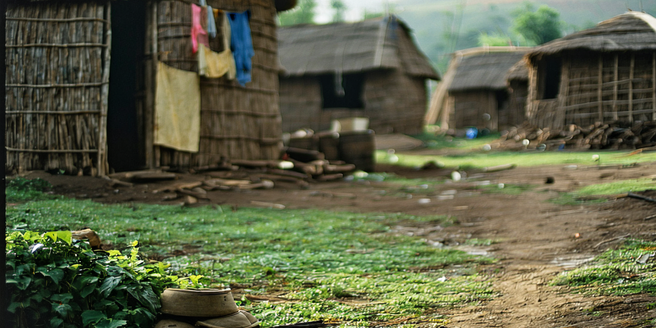
Overview of Tribal Assistance Programs
Tribal Assistance Programs are vital initiatives designed to support the economic, educational, and health needs of indigenous tribes across the nation. These programs provide necessary resources to address systemic disparities faced by tribal communities. They cover a range of services such as housing assistance, educational grants, healthcare solutions, and economic development projects. By empowering tribes through these resources, these programs aim to foster sustainable growth and self-sufficiency. Various federal and state agencies collaborate with tribal governments to ensure that the programs are tailored to address the unique challenges faced by each tribe. Such collaborations are essential to ensure that the assistance reaches those who need it the most, ultimately striving to improve the quality of life for tribal members and preserving their cultural heritage.
Eligibility Criteria for Tribal Support
Eligibility criteria for tribal support vary across programs but some common factors can determine eligibility. Primarily, individuals must be members of a federally recognized tribe. Additional criteria may include residency requirements within designated service areas, income levels, or specific needs related to the service being provided. Some programs are exclusive to provide assistance for elders, youth, or families, ensuring tailored support for different community segments. Eligibility assessments often require the submission of documentation such as proof of tribal enrollment and financial statements. It is crucial for applicants to thoroughly review each program’s criteria to ensure their eligibility and avoid application delays. These criteria are aimed at ensuring that the limited resources are allocated fairly and effectively, reaching those most in need within tribal communities.
Types of Assistance Available
Tribal Assistance Programs offer a wide array of support types catering to different aspects of community and individual well-being. Financial assistance can include direct cash aid or subsidies for basic needs like housing and utilities. Educational grants and scholarships are available to help tribal students access higher education opportunities. Healthcare assistance provides access to vital medical services, often targeting areas with limited healthcare infrastructure. Economic development programs offer funding and resources for tribal enterprises and entrepreneurs, fostering economic growth and job creation. Additionally, cultural preservation initiatives seek to protect and promote tribal heritage and traditions. By offering varied types of assistance, these programs aim to address the multifaceted needs of tribal communities, thereby promoting holistic growth and development.
How to Apply for Tribal Aid
Applying for tribal aid typically involves several steps, starting with identifying the specific program that matches an individual’s needs. Prospective applicants should gather necessary documentation such as tribal enrollment proof, income verification, and any other required paperwork. Many tribal programs have online portals where applicants can fill out and submit applications, although some may still require physical forms. It is important to adhere to deadlines and provide thorough information to avoid delays in processing. After submission, applications are reviewed, and decisions are communicated to applicants within a specified timeframe. Assistance is often contingent on available funding and priority assessments, making it vital to apply early. Through careful and timely application, individuals can access the support necessary to improve their living conditions and community participation.
Impact of Assistance on Tribal Communities
The impact of assistance on tribal communities is profound and multifaceted. By providing essential resources, these programs significantly enhance the economic stability of families, allowing for improved living conditions. They contribute to higher educational attainment among tribal youth, empowering the next generation with the tools needed for success. In terms of health, increased access to healthcare services leads to better health outcomes and a reduction in preventable diseases. Moreover, economic development initiatives lead to job creation and entrepreneurial growth, fostering a sustainable economic environment. Cultural programs ensure the preservation and revitalization of tribal traditions, fortifying cultural identity. Overall, the collective impact of these programs strengthens the fabric of tribal communities, promoting resilience and self-sufficiency for future generations.