Sustainable Agriculture Support
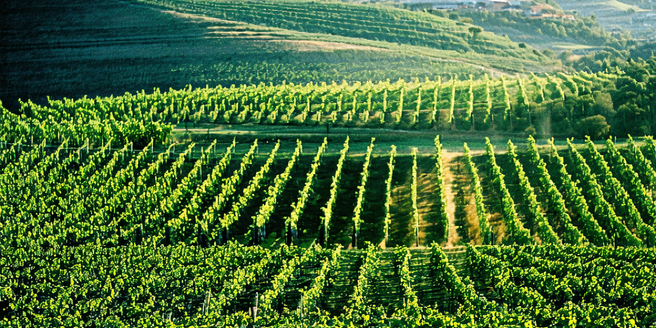
Introduction to Sustainable Agriculture
Sustainable agriculture emphasizes meeting present food needs without compromising the ability of future generations to meet their own needs. It aims to enhance environmental quality and the resource base that agriculture depends on. The approach integrates natural biological cycles and controls, ensures the efficient use of non-renewable resources, and prioritizes the economic viability of farm operations. By focusing on sustainability, farmers can maintain productivity alongside environmental stewardship, making agriculture a more resilient sector. Incorporating these practices can lead to a more balanced ecosystem where both flora and fauna thrive. Education and awareness are crucial in promoting sustainable methods on a broader scale, ensuring that both policymakers and the public understand its significance.
Benefits of Sustainable Farming Practices
Sustainable farming practices offer numerous benefits that go beyond environmental preservation. They enhance soil fertility and biodiversity, leading to healthier crops and improved yields. Farmers can experience reduced costs over time due to the minimized dependency on chemical inputs. Water conservation techniques in sustainable agriculture reduce overall consumption and ensure water availability for the future. Sustainable practices also contribute to the reduction of greenhouse gas emissions, mitigating climate change impacts. Moreover, they promote better working conditions and empower local communities by involving them in decision-making processes. By choosing sustainable methods, the agriculture industry can contribute to global food security in a responsible and ethical manner.
Innovative Technologies in Agriculture
With the increasing demand for sustainable practices, innovative technologies play a pivotal role in transforming agriculture. Precision agriculture technologies, such as GPS and remote sensing, allow farmers to optimize field-level management regarding crop farming. Drones are used for crop monitoring, spraying, and data collection, increasing efficiency and reducing resource use. Biotechnology advances lead to the development of resilient crop varieties that can withstand extreme climatic conditions, ensuring consistent yields. IoT devices monitor environmental conditions and provide real-time data, helping in the quick decision-making process. Such innovations contribute to reducing waste, increasing productivity, and maintaining ecological balance, fostering a new age of agricultural sustainability.
Challenges and Solutions in Sustainability
Sustainability in agriculture faces several challenges, including resource scarcity, environmental degradation, and resistance to change. Limited access to water and arable land restricts farming capabilities, while pollution and soil erosion exacerbate the situation. Financial constraints and lack of knowledge hinder the adoption of sustainable practices. However, solutions exist in the form of policy reforms, educational initiatives, and technological advancements. Encouraging local governments to support sustainable practices with incentives and subsidies can drive adoption. Training programs can increase awareness and understanding among farmers. Research and development can introduce new, efficient methods and tools that address specific challenges faced by agriculture, paving the way for more resilient, sustainable farming systems.
Economic Impacts of Sustainable Methods
Implementing sustainable agriculture methods can significantly affect the economy by creating employment, reducing costs, and opening new markets. Farmers adopting sustainable practices may initially incur high costs; however, the long-term benefits often outweigh these, as they spend less on chemical fertilizers and pest control tactics. Improved soil health and water conservation techniques result in better yields, enhancing profitability. Sustainable agriculture practices also open new opportunities in organic and fair-trade markets, allowing farmers to tap into consumer demand for eco-friendly products. These practices support the local economy by involving local communities in production processes, which helps build a resilient rural economy.
Future Trends in Sustainable Agriculture
As the world grapples with climate change and a growing population, exploring future trends in sustainable agriculture becomes essential. Vertical farming and urban agriculture are gaining traction, providing solutions for land scarcity and reducing transportation costs. The integration of AI and machine learning allows for predictive analysis to optimize agricultural productivity. Genetic engineering is creating crops that require fewer resources and are resilient to pests. There’s an increasing emphasis on regenerative agricultural practices that focus on rehabilitating ecosystems. Policymakers and industry leaders are likely to further support innovations that promote sustainability, driven by the urgent need to ensure food security while supporting environmental health.