Special Supplemental Nutrition Program
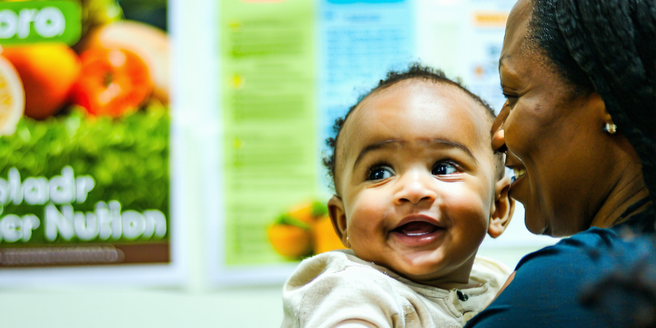
Introduction to the Special Supplemental Nutrition Program
The Special Supplemental Nutrition Program, commonly known as WIC, plays a crucial role in supporting families in need. It aims to provide nutritious food and essential resources to low-income pregnant women, new mothers, infants, and children up to the age of five. By alleviating food insecurity, WIC helps families focus on other essential aspects of life. The program is designed to combat malnutrition and hunger, contributing to healthier families and communities. It also emphasizes education, informing participants about dietary requirements and healthy eating habits. WIC collaborates with local communities to ensure resources are accessible and tailored to the specific needs of participants. Participants benefit from personalized nutrition counseling, access to healthy food options, and regular health screenings. This program not only addresses immediate nutritional needs but fosters long-term health and wellness, resulting in a substantial impact on public health outcomes.
Eligibility Criteria for Participants
To qualify for the Special Supplemental Nutrition Program, candidates must meet specific eligibility criteria. These include being a pregnant or postpartum woman, an infant, or a child under the age of five. Applicants also need to demonstrate a nutritional risk, determined by a health professional. The program offers critical nutritional support to improve health outcomes for these vulnerable groups. Additionally, to be eligible, family income must be at or below 185% of the U.S. Poverty Income Guidelines. Proof of residency within the state where they apply is also required. These criteria ensure that assistance reaches the individuals and families most in need. Nationality or legal immigration status is not a prerequisite, enabling broader community support. The program’s design ensures comprehensive aid, focusing on nutritional vulnerability and economic necessity.
Benefits of the Program for Families
The Special Supplemental Nutrition Program provides significant benefits to families, emphasizing improved health and nutrition. Participants receive tailored support, assisting them in meeting daily dietary needs, ultimately decreasing food insecurity. Moreover, the program fosters community connections by engaging families in group sessions and workshops. Benefits include access to wholesome foods such as fruits, vegetables, and whole grains, contributing to better overall family wellness. By ensuring that families have access to these nutritious foods, the program plays a pivotal role in promoting a healthier lifestyle for all participants. The program also offers specialized nutrition education, enabling families to make informed dietary decisions. Another notable benefit is the reduction in healthcare costs, as healthier eating habits often lead to fewer medical issues over time. Enhanced family health often correlates with better socio-economic outcomes, supporting educational achievement and economic stability in the longer term.
How to Apply for the Nutrition Assistance
Applying for the Special Supplemental Nutrition Program involves several straightforward steps. Before starting the process, it can be helpful to familiarize yourself with the program’s specific requirements and benefits. Prospective participants need to schedule an appointment at a local WIC agency or clinic. During the visit, applicants should present the necessary documentation, including proof of income, residency, and identification. It’s important to gather all required documents ahead of time to avoid any delays. A health screening may be conducted to assess nutritional risk. This process helps WIC staff to determine program eligibility efficiently. Once approved, participants are guided on how to utilize the benefits, including instructions on redeeming food packages and accessing other program resources. Educational materials and counseling sessions may also form part of the orientation. This thorough application process ensures that those who need assistance receive it promptly.
Understanding the Role of Nutrition Education
Nutrition education is a cornerstone of the Special Supplemental Nutrition Program. It empowers families by providing the knowledge needed to make healthier food choices, which is vital for long-term well-being. By tailoring initiatives to meet diverse community needs, the program ensures inclusivity and effectiveness. The program continually evolves to address emerging nutritional trends and challenges within the community. Through structured classes and counseling sessions, participants learn about essential nutrition topics such as balanced diets, portion control, and meal planning. The program also addresses cultural dietary preferences, ensuring the guidance is relevant and practical. Education aims to influence positive dietary changes, leading to reduced risk of chronic diseases and improved quality of life. By fostering an understanding of nutrition, the program equips families to manage their health independently, reinforcing the program’s broader goal of sustained community wellness.
Impact on Child Development and Health
The Special Supplemental Nutrition Program significantly impacts child development and health, laying a foundation for lifelong wellness. Children in the program benefit from improved nutrient intake during critical growth periods, aiding in physical development and cognitive performance. The importance of such programs cannot be overstated in communities with limited access to healthy foods. Regular access to nutritious foods reduces the risk of developmental delays and chronic illnesses. Additionally, the program promotes healthy eating habits that can last a lifetime. Furthermore, the program’s health screenings and evaluations facilitate early detection of health issues, ensuring timely intervention. By supporting maternal health during pregnancy and lactation, the program also contributes to healthier births and infants. Ultimately, these advantages lead to enhanced educational outcomes and societal health, underscoring the program’s vital role in fostering future generations.
Collaboration with Local Health Agencies
The success of the Special Supplemental Nutrition Program is greatly enhanced through strategic partnerships with local health agencies. These collaborations focus on expanding the resources and services available to participants, achieving comprehensive support. By working together, they streamline access to healthcare, nutrition education, and other critical services. An essential component of these partnerships is the regular evaluation of program effectiveness and participant satisfaction. Health agencies contribute expert advice, outreach, and community health assessments, ensuring that the program meets evolving local needs. Moreover, these partnerships often lead to the development of innovative solutions tailored to specific community challenges. Joint initiatives often involve public health campaigns, ensuring program participants receive consistent health messages. This collaborative framework not only strengthens community ties but enhances the effectiveness and reach of the program’s offerings, resulting in improved health outcomes for all involved.
Success Stories and Program Achievements
Over the years, the Special Supplemental Nutrition Program has achieved numerous milestones, positively impacting countless families. Success stories abound, highlighting instances where nutritional support and education have improved lives. Many families report better health outcomes, citing reduced instances of child malnutrition and anemia. It is clear that the comprehensive approach of the program has truly made a difference to those it serves. Not only does it cater to immediate nutritional needs, but it also fosters long-term health and well-being. Participants often experience increased food security and healthier lifestyle habits. These achievements are validated by studies showing higher birth weights and decreased rates of infant mortality among those in the program. Testimonials from participants and health professionals alike illustrate the life-changing influence of the program, showcasing its importance in raising healthier families and communities.
Future Prospects and Program Improvements
As the Special Supplemental Nutrition Program evolves, its future prospects look promising, with ongoing improvements aimed at reaching more families effectively. Expanding digital platforms for application processes and educational resources can increase accessibility for remote or underserved communities. Efforts to integrate culturally relevant nutrition education will further enhance program inclusivity. It’s crucial to address any potential gaps that may exist in reaching diverse populations. Advocates call for increased funding to support these expansions and ensure sustainability. One proposed initiative is to provide additional language support for non-English speaking participants. Continued collaboration with educational institutions and healthcare providers may introduce innovative practices that enhance participant experiences. By adapting to future challenges and leveraging technology and research, the program strives to remain a cornerstone of public health and nutrition assistance.