State Pharmacy Discount Programs
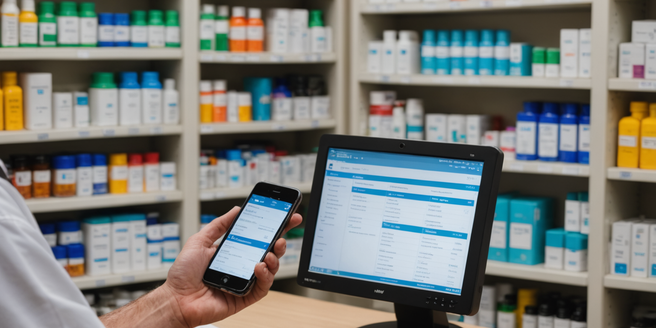
Understanding State Pharmacy Discount Programs
State pharmacy discount programs are vital resources designed to help residents access affordable medications without insurance coverage. These programs negotiate directly with pharmacies to provide discounted rates on prescription drugs, making healthcare more accessible to uninsured and underinsured populations. Each state operates its own program with unique benefits and participating pharmacy networks. Understanding how these programs function helps individuals make informed decisions about their medication purchases. Many states offer free enrollment with no eligibility restrictions, while others target specific populations. These initiatives significantly reduce out-of-pocket costs and increase medication adherence. By leveraging state programs, patients can save substantially on both brand-name and generic medications while maintaining quality pharmaceutical care.
Eligibility Requirements and Who Can Benefit
Most state pharmacy discount programs welcome all residents, regardless of age, income, or employment status. Some programs specifically target seniors, low-income families, children, or individuals with chronic conditions. Eligibility typically requires state residency verification through a valid ID. Uninsured individuals benefit most significantly from these programs, though insured patients can sometimes use them for non-covered medications. Veterans, disabled persons, and specific disease populations may access specialized state programs. Program eligibility varies widely across states, so checking your state’s specific requirements is essential. Generally, enrollment is simple and free, requiring minimal documentation. Understanding your state’s unique eligibility criteria ensures you access maximum available benefits and discover programs tailored to your specific healthcare needs.
How to Enroll and Get Started
Enrolling in state pharmacy discount programs is straightforward and typically free. Begin by visiting your state health department website or contacting your local pharmacy directly for program information. Most programs require completing a simple application with basic personal information and residency verification. Many states offer online enrollment options for convenience and faster processing. Some pharmacies assist with on-site enrollment during your visit. After approval, you receive a discount card or member ID, often immediately upon application. Present your card at participating pharmacies to receive instant discounts at checkout. Documentation needed usually includes photo identification and proof of state residency. Customer service representatives stand ready to guide enrollment questions and explain program specifics, ensuring smooth participation.
Comparing Coverage Across Different States
State pharmacy discount programs vary significantly in coverage scope, discount percentages, and participating pharmacy networks. Some states offer robust programs covering extensive medication lists with discounts reaching thirty to fifty percent. Other states provide more limited coverage focusing on essential medications. Participating pharmacy networks differ considerably, with some states including major chains while others emphasize local pharmacies. Discount amounts fluctuate based on medication type, whether generic or brand-name options available. Interstate reciprocity remains limited, meaning programs typically work only within their respective states. Comparing programs requires reviewing each state’s official documentation and pharmacy network listings. Residents near state borders should investigate both nearby options for optimal savings. Understanding regional variations helps identify which program best suits your specific medication needs and local pharmacy preferences.
Maximizing Your Savings with Available Resources
Optimizing state pharmacy discount program benefits requires strategic planning and resource awareness. Compare generic alternatives to brand-name medications for significant additional savings. Stack discounts with manufacturer coupons and pharmaceutical assistance programs when eligible. Communicate with pharmacists about generic options and therapeutic equivalents that offer substantial savings. Review your medications regularly to eliminate unnecessary prescriptions and reduce overall costs. Utilize state program resources including medication counseling and health information services. Join community health programs that often partner with state initiatives for enhanced benefits. Compare prices across participating pharmacies before filling prescriptions. Register with prescription assistance programs for medications not adequately covered by state discounts. Maintain organized records of your medication history and pricing information. Proactive engagement with program resources and regular price comparison ensures you maximize available savings opportunities.
Common Questions and Troubleshooting Tips
Common questions about state pharmacy programs include coverage limitations, discount percentages, and accepted identification requirements. If your pharmacy refuses acceptance, verify program participation through your state’s official pharmacy list or contact program administrators directly. Discount amounts varying between pharmacies is normal due to different contractual arrangements. If cards aren’t working, confirm current enrollment status and card validity dates through customer service. Some medications may require prior authorization or may not qualify for discounts; pharmacists can clarify specifics. Technical issues during online enrollment warrant contacting your state program support team. If savings seem insufficient, explore combining state programs with manufacturer assistance programs. Keep documentation of all discounts received for your records. When problems persist, state health department representatives provide comprehensive assistance resolving issues and answering complex program questions effectively.